

















































































































































































Future of Asian Real Estate: Key Markets & Strategic Trends
Explore the drivers shaping Asian real estate: urbanisation, mega-projects, and supply chain shifts. Get actionable insights on where to invest in 2026, from industrial parks to smart cities.


Real Estate in Asia: Growth, Markets, Mega-Projects & Investment Outlook
Introduction: Asia’s Real Estate Landscape
Asia’s property sector has been one of the most dynamic globally over the past two decades. Fueled by rapid urbanisation, demographic shifts, infrastructure investment, foreign direct investment (FDI), and expanding middle classes, different regions have displayed diverging trends from mature markets facing slowdowns to emerging hubs with strong growth potential.
East Asia
Japan - Stability and Positive Growth
Japan is viewed as one of the more stable real estate markets in the region, supported by:
· A weaker yen boosting tourism and foreign investment.
· Strong performance in commercial property segments, especially offices and hotels.
Notable investment: International real-estate investors have made significant purchases, such as Hong Kong’s Gaw Capital’s acquisition of a Tokyo mall worth >$1 billion, showing continued confidence in Japanese real estate.
Outlook: With defensive assets and predictable returns, Japan remains attractive for institutional investors, especially in offices and living sectors.
South Korea - Resilient, But Demographically Challenged
South Korea’s real estate market remains robust in certain segments (especially industrial and logistics). However, population ageing may impact long-term housing demand, particularly in residential markets.
Outlook: Investors focusing on logistics, data centres, and premium office assets may find more opportunities than in traditional housing.
China - The Giant with Mixed Signals
China has historically been the largest real estate market in the world and a major driver of growth in Asia for over a decade. However, after years of rapid expansion, the sector has faced serious headwinds since around 2021:
Market downturn: Prices for new homes across many cities have been declining, with home prices falling year-on-year and continued softness in both primary and resale markets.
Banking sector stress: Rural banks are struggling to offload foreclosed properties at steep discounts due to weak demand.
Office and commercial rental markets continue to adjust amid oversupply in secondary cities.
Outlook: China’s market is transitioning from rapid growth to a more stabilisation and restructuring phase, with emphasis on completing stalled projects and stabilising prices. Major cities like Beijing and Shanghai still attract value-driven investors.
Unlike East and Southeast Asia, Central Asia’s real estate markets are relatively underdeveloped and less documented internationally, but there are emerging trends:
Kazakhstan, Uzbekistan & Others
· Infrastructure projects (e.g., Belt and Road related connectivity) are expected to stimulate demand for industrial, logistics, and commercial property.
· Urbanisation and natural resource-driven economic growth may gradually lift housing markets.
Outlook: Central Asia is a frontier real estate region. Investors seeking diversification might consider infrastructure-linked developments (logistics hubs, commercial complexes) tied to economic corridors like the Railway Silk Road that supports regional growth.
Southeast Asia - One of the Fastest-Growing Regions
Vietnam - Rising Star
Vietnam has become a favourite among global capital for both industrial and real estate investment:
· FDI flows into construction and real estate are high due to strong economic growth and political stability.
· Transit-oriented developments around new metro lines and urban expansion in Ho Chi Minh City and Hanoi are driving property value growth.
Outlook: Continued rapid urbanisation and manufacturing growth will support demand for residential, office, and logistics property.
Philippines - Mega-Projects and Smart Cities
The Philippines is investing in mega-infrastructure projects that are transforming real estate prospects:
· New Manila International Airport with related urban development around it.
· New Clark City, a large-scale smart and resilient city project designed to support future growth.
Outlook: Infrastructure-led urban growth makes the Philippines an attractive long-term investment destination, especially for residential and mixed-use developments.
Thailand & Malaysia - Regional Hubs with Big Projects
Thailand: Strong growth in industrial, logistics, and tech-related real estate supported by EV manufacturing expansion.
Malaysia: Focus on data centres and smart infrastructure as real estate drivers, particularly in Johor, to position itself as a regional tech hub.
Mega Projects: Iconic developments such as Bangkok’s MahaNakhon have helped solidify city skylines and attract foreign capital.
Singapore - Investment Hotspot
Singapore remains one of the most sought-after markets for global real estate investment:
· Stable political and legal framework.
· Strong institutional demand for offices, logistics and living assets.
· High rental yields compared to peers.
Outlook: Singapore continues drawing capital due to predictability, liquidity, and strong sovereign credit.
Trends Shaping the Future
Growth Drivers Across Asia
1. Urbanisation & Middle Class Expansion
Rapid urban population growth fuels demand for housing and commercial spaces.
2. Logistics & Industrial Real Estate
E-commerce and manufacturing expansion are driving logistics hubs in India, Vietnam, and Indonesia.
3. Flight to Quality
Investors prefer high-quality, sustainable assets in prime locations.
4. Smart Cities & Infrastructure
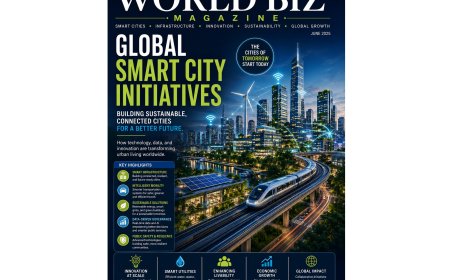
Projects like New Clark City exemplify integrated, eco-friendly developments improving real estate value.
Challenges
· China’s ongoing market correction
· Interest rate volatility
· Construction cost inflation (especially in Cambodia and parts of SEA)
Best Countries for Real Estate Investment (2026 Perspective)
|
Country |
Strengths |
Investment Appeal |
|
Singapore |
Stability, international capital |
Safe haven, high liquidity |
|
Japan |
Mature market, strong office & living |
Institutional interest |
|
Vietnam |
Fast growth & demographics |
High yield potential |
|
Philippines |
Infrastructure-led growth |
Long-term gains |
|
India |
Large market, office leasing demand |
Growth diversification |
|
Thailand & Malaysia |
Industrial & data centre growth |
Strategic regional hubs |
Asia’s real estate is not a single story - it’s a multi-speed tapestry:
· East Asia: China’s cooling but still crucial; Japan stable; South Korea niche opportunities.
· Central Asia: Emerging with infrastructure catalysts.
· Southeast Asia: Some of the most compelling investment prospects, with strong fundamentals in Vietnam, Philippines, Singapore, and growing appeal in Thailand and Malaysia.
Future prospects remain positive overall - driven by long cycles of urbanisation, structural economic shifts, and international capital flows, particularly in quality office, industrial/logistics, and mixed-use developments.
Disclaimer
This article is published by World Biz Magazine for informational and analytical purposes only. It does not constitute investment, legal, financial, or professional advice. Views expressed are based on editorial research and industry analysis at the time of publication.
What's Your Reaction?
 Like
1
Like
1
 Dislike
0
Dislike
0
 Love
0
Love
0
 Funny
0
Funny
0
 Angry
0
Angry
0
 Sad
0
Sad
0
 Wow
1
Wow
1