













































































































Tajikistan’s High-Stakes Climb: Economic Resilience Meets the Adventure Tourism Boom
An exclusive look at Tajikistan's evolving economy beyond remittances. We analyze the strategic push in hydropower & mining, the niche tourism boom along the Pamir Highway, and the challenges & opportunities defining its path to 2030.

Tajikistan 2025: Harnessing Hydro Power and High-Altitude Tourism for Economic Ascent | World Biz Magazine
By World Biz Magazine Central Asia Analysis Desk
Publication Date: December 16, 2025
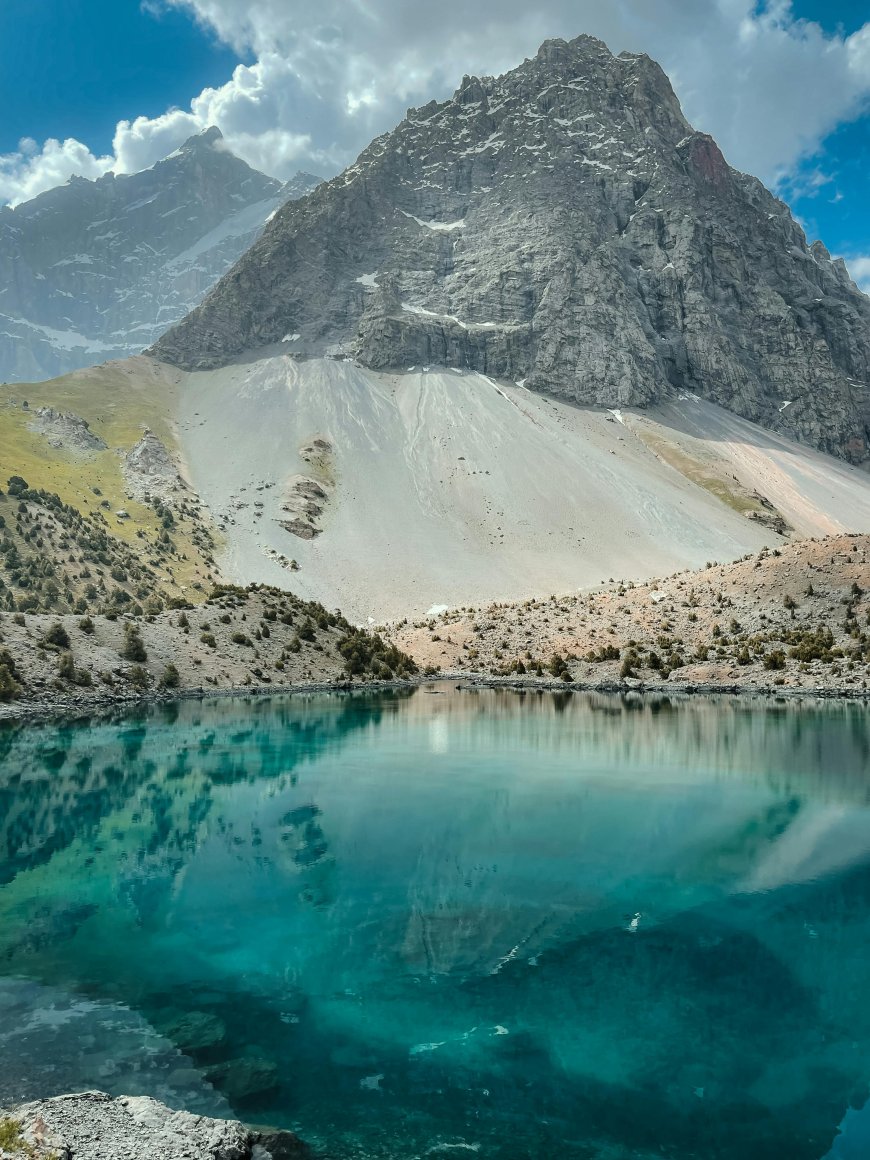
Nestled in the heart of Central Asia, Tajikistan has long been defined by two formidable forces: the soaring, glacier-fed peaks of the Pamir Mountains and the relentless flow of remittances from its migrant workforce. However, as we look toward 2025 and beyond, a deliberate, state-driven narrative is emerging, one of energy independence and curated, high-value tourism. This report dissects the realities of Tajikistan's complex economy and assesses its potential to leverage its formidable natural assets into sustainable growth through 2030.
Tourism: The Strategic Niche in the "Roof of the World"
Unlike mass-market destinations, Tajikistan has carved a deliberate niche. Tourism is not yet a major GDP contributor (estimated at 2-3%), but it is the sector with the most dynamic growth and international visibility.
From Obscurity to Bucket-List Status: Pre-pandemic, annual tourist arrivals hovered around 1 million, predominantly regional. 2024 saw a robust recovery to 800,000, with a significant increase in long-haul travelers from Europe and North America. The target for 2025 is to surpass 1.2 million, driven by strategic marketing of the Pamir Highway (M41) as one of the world's last great adventure journeys. The government's "Tourism Development Program 2025-2030" prioritizes infrastructure along this corridor.
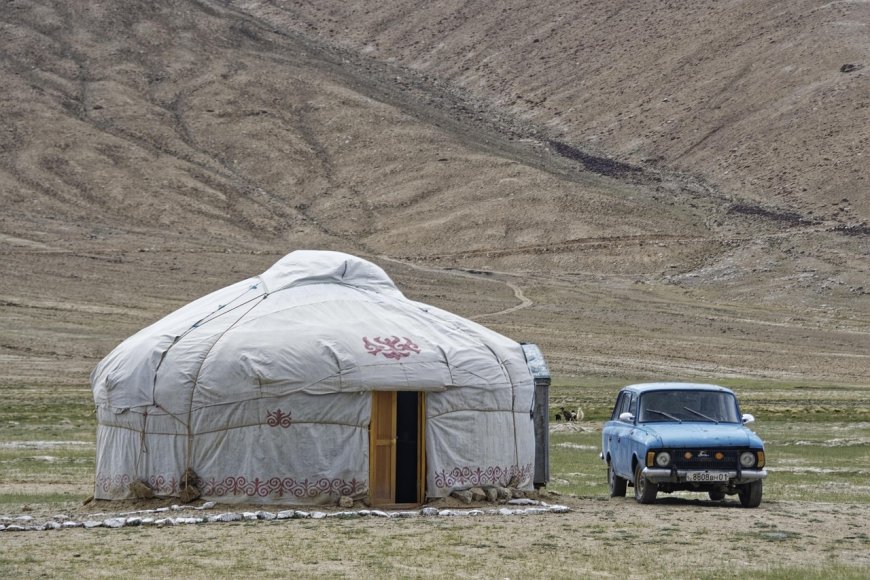
The High-Value Traveler Model: Tajikistan is bypassing budget backpackers for higher-spending adventurers. The focus is on guided trekking, mountaineering, and cultural immersion in the Wakhan Valley and Fann Mountains. The cost of a guided expedition easily runs into thousands of dollars, providing significant local value through licensed guides, homestays, and logistics. Market intelligence suggests luxury eco-camp concepts are in early discussion for the Pamir region, though regulatory hurdles remain high.
Infrastructure: The Critical Path: The main gateway, Dushanbe International Airport, has seen incremental upgrades. The real bottleneck is ground transport. Critical road projects, like the Dushanbe-Khujand highway and sections of the Pamir Highway, are receiving Chinese financing under the Belt and Road Initiative (BRI). The 2025 budget allocates increased funds for basic tourist facilities in key regions like Murghab and Khorog.
Regional Tourism Positioning: Tajikistan is not competing with the Silk Road cities of Uzbekistan or the nomadic tourism of Kyrgyzstan. It is offering a more raw, expedition-style experience. Its advantage is unparalleled alpine scenery and cultural authenticity; its challenge remains service standardization and inter-regional connectivity.
Economic Engine Room: Beyond Remittances
Tourism captures headlines, but Tajikistan's economy rests on other pillars, each with its own strategic imperative.
1. Hydropower: The "Water and Energy" National Strategy: Tajikistan sits on an estimated 4% of the world's hydropower potential. The crown jewel, the Rogun Dam (finally operational in 2024), is a source of immense national pride and strategic ambition. It aims to achieve energy sovereignty and position Tajikistan as a key electricity exporter to Afghanistan and Pakistan (CASA-1000 project). The energy sector contributes over 15% to GDP. Rumors persist of behind-the-scenes negotiations for expanded power sales to Uzbekistan, which would mark a significant regional détente.
2. Mining & Aluminum: Tajikistan is rich in minerals, including silver, gold, and antimony. The TALCO aluminum smelter remains one of the world's largest and is a major, though volatile, export earner. The government is actively seeking FDI for extraction projects, with Chinese companies being dominant players.
3. Agriculture: Employing over half the population, agriculture (especially cotton and fruit) is vital for livelihoods but suffers from inefficiency and water management issues.
4. Remittances: The Persistent Lifeline: Despite diversification efforts, remittances primarily from migrant workers in Russia still constitute a staggering 30-40% of GDP. This makes the economy acutely vulnerable to Russian economic performance and immigration policy shifts, a risk flagged by the World Bank and IMF.
Regional Economic Landscape
· Dushanbe & Central Region: The administrative and financial core, home to TALCO and most service industries.
· Sughd Province (Khujand): The industrial and agricultural heartland in the Fergana Valley, with stronger trade links to Uzbekistan.
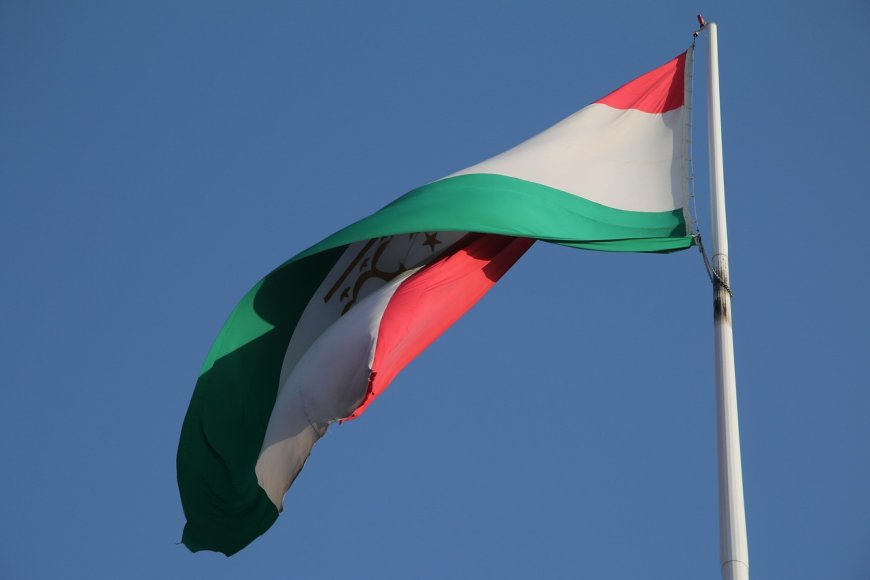
· Gorno-Badakhshan Autonomous Region (GBAO): The Pamir region. Its economy is subsistence-based, heavily reliant on tourism and international aid. The GBAO permit requirement for foreigners underscores its sensitive border status.
· Khatlon Province: The primary agricultural zone.
Forecast & Formidable Challenges (2025-2030)
The path forward is steep and fraught with geopolitical and structural challenges.
· Growth Drivers: Successful expansion of hydropower exports, development of industrial mining projects, and growth in high-value tourism are the stated drivers. The government aims for average annual GDP growth of 6-7%, though external analysts often project a more modest 4-5%, contingent on remittance flows.
· Significant Headwinds: Geopolitical isolation (bordered by Afghanistan, China, Uzbekistan, and Kyrgyzstan), corruption, a nascent private sector, and climate change impacting glacial water sources are critical systemic risks. The economy remains heavily indebted, primarily to China for infrastructure projects.
· The Human Capital Dilemma: "Brain drain" and dependence on low-skilled labor migration present long-term demographic and development challenges.
Travel & Business Essentials for 2025/26
· Best Time to Visit: June to September for mountain access.
· Critical Logistics: The GBAO permit is mandatory for the Pamirs and must be secured in advance. Cash (USD) is king outside Dushanbe. Reliable local partners are essential for business and complex travel.
· Business Climate: The state dominates key sectors. Opportunities exist in tourism services, agri-processing, and as subcontractors for large infrastructure projects. Patience and local legal counsel are non-negotiable.
Disclaimer: This article constitutes analytical reporting based on current data and observable trends. It contains forward-looking statements and market observations that are subject to rapid change given regional volatility. It is not intended as investment, legal, or travel security advice. Readers must undertake independent verification and consult professional advisors before making any decisions. World Biz Magazine assumes no liability for actions taken based on this content.
References & Data Sources:
· World Bank – Tajikistan Economic Updates & Poverty Reports
· International Monetary Fund (IMF) – Article IV Consultations with Tajikistan
· National Bank of Tajikistan – Statistical Bulletins
· Committee of Tourism Development under the Government of Tajikistan – Official Strategies
· Asian Development Bank (ADB) – Infrastructure Project Reports
· CASA-1000 Project Secretariat – Official Updates
· *Note: All 2024 figures are estimates based on the latest available half-yearly data and official projections.*
Article Integrity Statement: This analysis has been compiled by the World Biz Magazine editorial team using data from international financial institutions, Tajik government publications, and verified reports from reputable news agencies operating in Central Asia. Market rumors are identified as such. All figures have been sourced from the institutions listed above to ensure factual accuracy at the time of publication.
What's Your Reaction?
 Like
0
Like
0
 Dislike
0
Dislike
0
 Love
0
Love
0
 Funny
0
Funny
0
 Angry
0
Angry
0
 Sad
0
Sad
0
 Wow
0
Wow
0