












































































































































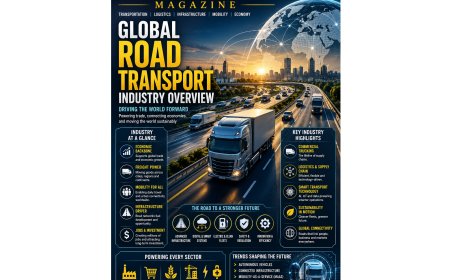




























How Road Infrastructure Investments Are Transforming Global Transportation Networks
Global road infrastructure projects are transforming mobility through smart technologies, sustainability initiatives, and strategic transportation planning.

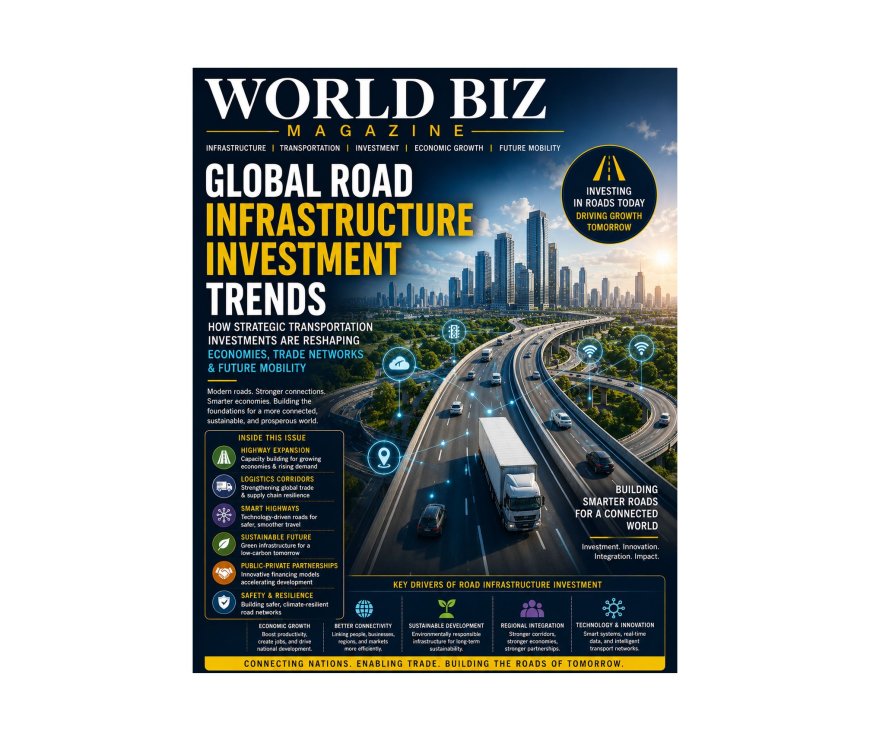
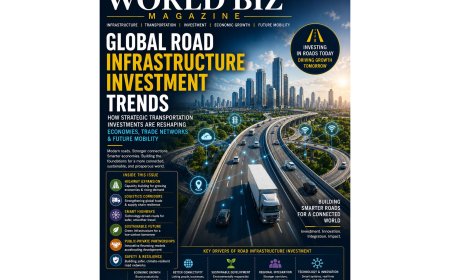
Global Road Infrastructure Investment Trends
How Strategic Transportation Investments Are Reshaping Economies, Trade Networks, and Future Mobility
World Biz Magazine | Transportation, Infrastructure & Economic Development
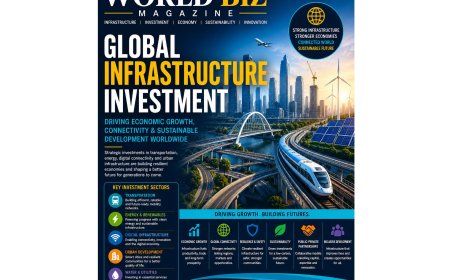
As nations compete to strengthen economic resilience, improve connectivity, and support long-term growth, road infrastructure investment has emerged as one of the most significant priorities in global development strategies. From smart highways and logistics corridors to sustainable transportation networks, governments and investors are directing unprecedented resources toward modernizing road infrastructure for the future.
The Strategic Role of Road Infrastructure in Economic Development
Road infrastructure serves as the foundation of modern economies. Highways, expressways, arterial roads, rural networks, and urban transportation corridors connect businesses, industries, consumers, and communities. These networks facilitate trade, support supply chains, enable labor mobility, and improve access to essential services.
As globalization, urbanization, and digital commerce continue to transform economic activity, the demand for efficient transportation infrastructure is increasing rapidly. Governments recognize that modern road systems are critical not only for transportation but also for attracting investment, increasing productivity, strengthening competitiveness, and supporting national development objectives.
Consequently, road infrastructure investment has become a central component of economic policy in both developed and emerging markets.
Rising Global Infrastructure Spending
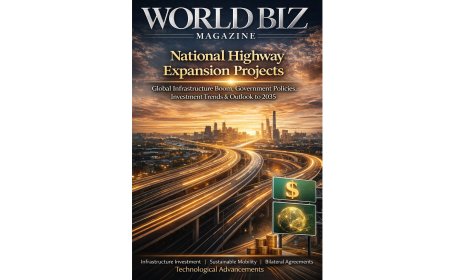
Infrastructure investment is experiencing strong momentum across global markets. Governments are allocating significant resources to transportation modernization programs as part of broader economic growth and recovery strategies. Road infrastructure remains one of the largest recipients of public capital expenditure due to its direct impact on commerce, mobility, and regional development.
Many countries are launching multi-billion-dollar highway expansion programs, road rehabilitation projects, logistics corridor developments, and smart transportation initiatives. These investments are designed to address aging infrastructure, accommodate growing traffic volumes, improve safety, and support future mobility requirements.
In emerging economies, road development is often viewed as a catalyst for industrialization and regional integration. In mature economies, modernization efforts focus on upgrading existing infrastructure and integrating advanced technologies into transportation networks.
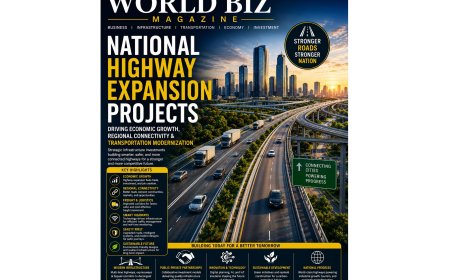
Highway Expansion and Capacity Enhancement
One of the most significant investment trends involves expanding highway capacity to accommodate increasing transportation demand. Population growth, urban expansion, and rising vehicle ownership are placing substantial pressure on existing road networks.
Governments are investing in new expressways, bypass routes, ring roads, freight corridors, and multi-lane highway upgrades to reduce congestion and improve traffic flow. These projects help decrease travel times, lower transportation costs, and enhance overall economic productivity.
Large-scale highway expansion initiatives are particularly evident in rapidly developing regions where transportation infrastructure must keep pace with economic growth and urbanization trends.
Logistics Corridors Supporting Global Trade
International trade continues to drive substantial investment in road infrastructure. Efficient logistics networks depend on reliable transportation corridors that connect manufacturing centers, ports, airports, warehouses, and consumer markets.
Governments are increasingly prioritizing freight transportation corridors designed to improve cargo movement and strengthen supply chain resilience. These investments reduce transportation bottlenecks, improve delivery reliability, and enhance trade competitiveness.
Cross-border road networks are also gaining importance as countries seek to strengthen regional economic integration and facilitate international commerce. Strategic transportation corridors are becoming essential components of global trade infrastructure.
Smart Highways and Digital Infrastructure Integration
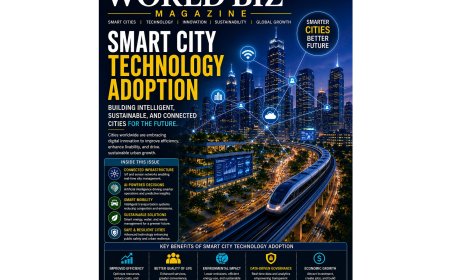
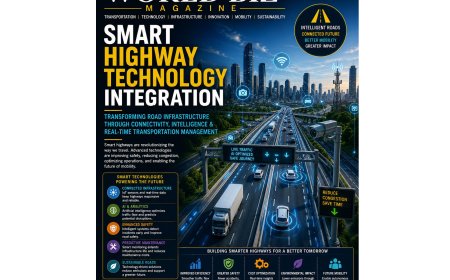
Technology is transforming the future of road infrastructure. Smart highways are emerging as a major investment trend as governments seek to improve transportation efficiency, safety, and sustainability.
Advanced technologies such as artificial intelligence, Internet of Things (IoT) sensors, connected vehicle systems, intelligent traffic management platforms, and real-time monitoring solutions are being integrated into modern road networks.
Smart highways can collect and analyze traffic data, optimize vehicle flow, provide predictive maintenance insights, and support autonomous transportation systems. These capabilities enhance operational efficiency while reducing congestion and improving traveler experiences.
As digital transformation accelerates, intelligent transportation infrastructure is becoming a key component of future mobility strategies.
Sustainability Driving Infrastructure Investment Decisions
Environmental sustainability is increasingly influencing road infrastructure investment priorities. Governments and investors are seeking ways to balance transportation development with climate goals and environmental responsibilities.
Sustainable road infrastructure initiatives include the use of low-carbon construction materials, renewable energy integration, electric vehicle charging infrastructure, green transportation corridors, and climate-resilient engineering designs.
Many projects now incorporate environmental impact assessments, biodiversity protection measures, water management systems, and carbon reduction strategies. These approaches help ensure that transportation infrastructure supports long-term sustainability objectives while maintaining economic benefits.
As environmental regulations become more stringent, sustainability considerations are expected to play an even larger role in future infrastructure investment decisions.
Public-Private Partnerships Accelerating Development
The scale of global road infrastructure needs often exceeds the financial capacity of governments alone. As a result, public-private partnerships (PPPs) have become increasingly important financing mechanisms for transportation projects.
PPP models allow governments to leverage private sector capital, technical expertise, operational capabilities, and project management experience. These partnerships can accelerate infrastructure delivery while distributing financial and operational risks.
Infrastructure funds, pension funds, sovereign wealth funds, institutional investors, and construction firms are actively participating in transportation investments worldwide. The growing role of private capital reflects increasing confidence in infrastructure as a long-term investment asset class.
Road Safety Investments Gain Momentum
Improving road safety has become a major focus of infrastructure investment programs. Traffic accidents continue to impose significant economic and social costs on many countries, prompting governments to invest in safer road designs and advanced safety technologies.
Modern road projects increasingly incorporate intelligent traffic systems, improved signage, advanced lighting, median barriers, pedestrian infrastructure, emergency response systems, and real-time monitoring technologies.
Investments in road safety not only reduce fatalities and injuries but also improve transportation efficiency and support broader public health objectives.
Urban Mobility and Smart Transportation Networks
Urbanization is driving substantial investment in transportation infrastructure designed to improve mobility within rapidly growing cities. Urban road networks must accommodate increasing populations while minimizing congestion and environmental impact.
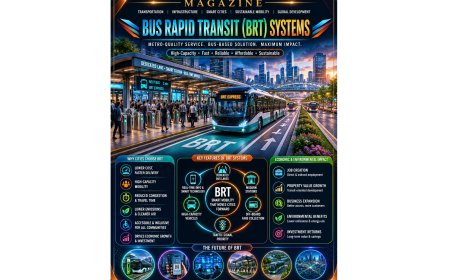
Governments are investing in integrated transportation systems that combine road infrastructure with public transit, smart traffic management, micro-mobility solutions, and digital mobility platforms.
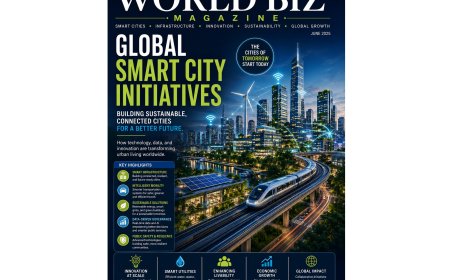
These investments support the development of smarter cities by creating more efficient, connected, and sustainable urban transportation ecosystems. Road infrastructure is increasingly viewed as part of a broader mobility strategy rather than a standalone asset.
Climate Resilience and Infrastructure Adaptation
Climate change is creating new challenges for transportation infrastructure worldwide. Extreme weather events, flooding, rising temperatures, and environmental disruptions are increasing the need for resilient road systems.
Governments are investing in climate-adaptive infrastructure designed to withstand changing environmental conditions. Enhanced drainage systems, elevated roadways, resilient materials, flood protection measures, and advanced monitoring technologies are becoming standard components of modern infrastructure projects.
Climate resilience is no longer viewed as an optional consideration but as a critical requirement for long-term infrastructure sustainability and operational reliability.
Emerging Technologies Shaping Future Road Infrastructure
Innovation is reshaping every aspect of road infrastructure planning, construction, and management. Technologies such as digital twins, drone surveying, Building Information Modeling (BIM), predictive analytics, advanced materials, and automated construction systems are improving project delivery and lifecycle management.
Electric vehicle infrastructure, connected transportation ecosystems, autonomous vehicle support systems, and smart mobility platforms are creating new opportunities for transportation innovation.
Governments that embrace emerging technologies are likely to achieve greater efficiency, lower maintenance costs, improved safety outcomes, and stronger long-term returns on infrastructure investment.
Regional Investment Patterns
Infrastructure investment trends vary across regions. Asia continues to lead many large-scale transportation development initiatives driven by urbanization, industrialization, and regional connectivity goals. The Middle East is investing heavily in smart transportation corridors and economic diversification projects. Europe remains focused on sustainability, green mobility, and cross-border transportation integration.
North America is prioritizing infrastructure modernization and rehabilitation of aging transportation assets, while Africa and Latin America are investing in road networks designed to improve connectivity, facilitate trade, and support economic development.
Despite regional differences, the common objective remains clear: creating transportation infrastructure capable of supporting future economic growth and mobility demands.
World Biz Magazine Insights
Global road infrastructure investment is entering a transformative period defined by technology, sustainability, connectivity, and resilience. Governments are no longer investing solely in roads they are investing in economic productivity, supply chain efficiency, environmental sustainability, and future mobility ecosystems. The most successful infrastructure strategies will be those that balance immediate transportation needs with long-term economic and technological trends.
Conclusion
Road infrastructure remains one of the most important pillars of global economic development. As governments modernize transportation networks and prepare for future mobility challenges, investment trends are increasingly focused on smart technologies, sustainability, resilience, and connectivity. From highway expansion and logistics corridors to intelligent transportation systems and climate-adaptive infrastructure, road investments are shaping the future of commerce, mobility, and economic growth worldwide. Nations that successfully align infrastructure spending with emerging trends will be better positioned to compete in an increasingly connected and rapidly evolving global economy.
Disclaimer
This article is published by World Biz Magazine for informational and educational purposes only. The content reflects general industry perspectives and trends related to transportation infrastructure, road development, and public investment. It does not constitute investment, engineering, legal, transportation, or policy advice. Readers should consult qualified professionals and conduct independent research before making decisions related to infrastructure investments, transportation projects, financing strategies, or public policy initiatives. World Biz Magazine assumes no responsibility for actions taken based on the information presented in this publication.
What's Your Reaction?
 Like
0
Like
0
 Dislike
0
Dislike
0
 Love
0
Love
0
 Funny
0
Funny
0
 Angry
0
Angry
0
 Sad
0
Sad
0
 Wow
0
Wow
0