



































































































































































How Travel Search Algorithms Work: The Technology Behind Smart Travel
Learn how travel platforms use algorithms, data, and AI to deliver personalized search results, optimize pricing, and improve booking experiences.

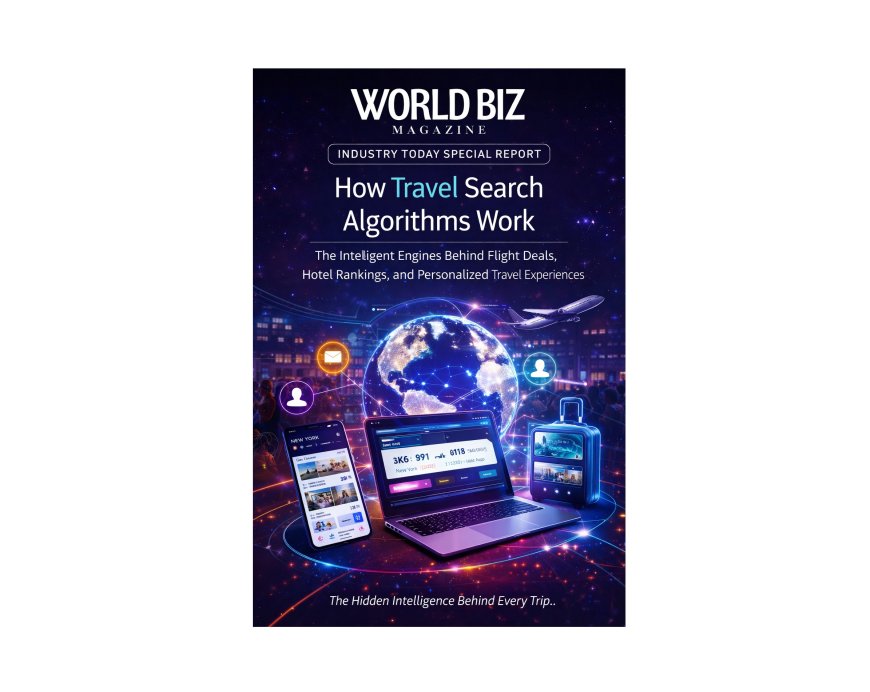
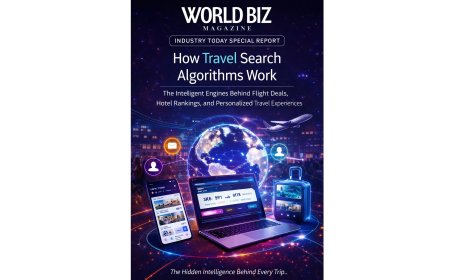
How Travel Search Algorithms Work
The Intelligent Engines Behind Flight Deals, Hotel Rankings, and Personalized Travel Experiences
World Biz Magazine | Industry Today Special Report
The Hidden Intelligence Behind Every Trip
Every time a traveler searches for flights, hotels, or holiday packages, a powerful system of algorithms works silently in the background analyzing millions of data points in milliseconds to deliver the “best” options.
From price comparisons to personalized recommendations, travel search platforms are powered by advanced algorithms, artificial intelligence, and real-time data processing. These systems determine not only what users see but also how travel demand is shaped globally.
In today’s digital tourism economy, travel search algorithms are no longer just tools they are decision-making engines influencing billions in global spending.
What Are Travel Search Algorithms?
Travel search algorithms are complex computational systems used by platforms to:
- Retrieve and compare travel data (flights, hotels, rentals)
- Rank results based on relevance, price, and user preferences
- Personalize recommendations
- Optimize pricing and availability
They act as digital intermediaries between travelers and service providers, ensuring efficient matching of supply and demand.
How Travel Search Algorithms Work
Data Collection
Travel platforms aggregate massive datasets from multiple sources:
- Airlines and Global Distribution Systems (GDS)
- Hotel chains and booking engines
- Online travel agencies (OTAs)
- User behavior and search history
This data includes pricing, availability, location, ratings, and more.
Query Processing
When a user enters a search (e.g., “Flights from Dubai to London”), the system:
- Interprets keywords and intent
- Applies filters (dates, budget, preferences)
- Converts the query into structured data
Data Matching & Retrieval
The algorithm scans databases and APIs to find relevant results:
- Available flights and hotels
- Real-time pricing
- Alternative routes and options
Speed is critical results are often delivered within milliseconds.
Ranking & Sorting
This is the most crucial stage. Results are ranked based on:
- Price competitiveness
- Travel duration and convenience
- User ratings and reviews
- Platform commissions or partnerships
- Personalization factors
Each platform uses its own ranking formula, often combining hundreds of variables.
Personalization
Modern travel platforms tailor results based on:
- Past searches and bookings
- User location
- Device type
- Behavioral patterns
This creates a unique experience for each user.
Dynamic Pricing Integration
Prices are not static. Algorithms adjust them based on:
- Demand and supply
- Booking time (early vs last-minute)
- Seasonal trends
- Competitor pricing
This is why prices can change within minutes.
Continuous Learning (AI & Machine Learning)
Algorithms improve over time using:
- User interactions
- Click-through rates
- Conversion data
AI models continuously refine recommendations to increase engagement and bookings.
Key Technologies Powering Travel Search
- Artificial Intelligence (AI) - personalization and prediction
- Machine Learning (ML) - pattern recognition and optimization
- Big Data Analytics - processing massive datasets
- Cloud Computing - scalability and speed
- APIs & GDS Systems - real-time data integration
Together, these technologies create a seamless and intelligent search experience.
Risks in Travel Search Algorithms
Price Manipulation & Bias
Algorithms may prioritize higher-commission listings over better value options.
Lack of Transparency
Users often don’t know why certain results appear first.
Data Privacy Concerns
Personalization relies heavily on user data, raising privacy issues.
Algorithmic Bias
Search results may favor certain providers unfairly.
System Failures & Errors
Technical glitches can lead to incorrect pricing or booking issues.
Mitigation Strategies
Algorithm Transparency
Platforms should disclose ranking criteria and sponsored listings.
Ethical AI Practices
Ensure fairness and avoid biased recommendations.
Strong Data Protection
Implement encryption and comply with global privacy regulations.
User Control
Allow users to customize filters and disable personalization.
System Testing & Monitoring
Continuously audit algorithms for accuracy and reliability.
The Business Impact of Travel Algorithms
Travel search algorithms influence:
- Airline pricing strategies
- Hotel occupancy rates
- Consumer decision-making
- Global tourism flows
Platforms that optimize algorithms effectively gain a competitive edge in the travel industry.
Future Outlook: Travel Algorithms in 2035
The next generation of travel search will be even more intelligent and immersive:
AI Travel Assistants
Fully automated trip planning based on user preferences.
Predictive Booking
Algorithms will suggest trips before users even search.
Voice & Conversational Search
Travel planning via voice assistants and chat interfaces.
Real-Time Personalization
Instant adaptation to user behavior and external conditions.
Integration with Smart Ecosystems
Connected travel experiences across airlines, hotels, transport, and events.
Step-by-Step Guide: How Businesses Can Optimize for Travel Algorithms
Step 1: Ensure Accurate Data
Keep pricing, availability, and listings updated.
Step 2: Improve Ratings & Reviews
Higher ratings improve ranking visibility.
Step 3: Optimize Pricing Strategy
Stay competitive with dynamic pricing models.
Step 4: Invest in SEO & Platform Visibility
Optimize listings for search algorithms.
Step 5: Leverage Data Analytics
Understand user behavior and adjust offerings.
Step 6: Partner with Platforms
Strategic partnerships can improve ranking and exposure.
Step 7: Focus on User Experience
Better service leads to higher engagement and conversions.
World Biz Magazine Insights
- Travel algorithms are reshaping global tourism economics
- Personalization is the key driver of future growth
- Transparency and ethics will define platform trust
- AI will transform travel search into predictive experiences
Conclusion: Algorithms Are the New Travel Gatekeepers
In today’s digital tourism economy, travel search algorithms are more than just tools they are gatekeepers of opportunity and visibility.
They decide which flights are seen, which hotels are booked, and ultimately, how travelers experience the world.
For businesses, success lies in understanding and optimizing for these systems.
For users, awareness is key to making smarter travel decisions.
Because in the future of travel,
the journey begins not at the airport but in the algorithm.
Disclaimer
This article is intended for informational and educational purposes only. World Biz Magazine does not provide travel, financial, or technological advisory services. While every effort has been made to ensure accuracy, readers are encouraged to conduct independent research and consult relevant professionals before making travel, business, or investment decisions.
What's Your Reaction?
 Like
0
Like
0
 Dislike
0
Dislike
0
 Love
0
Love
0
 Funny
0
Funny
0
 Angry
0
Angry
0
 Sad
0
Sad
0
 Wow
0
Wow
0