






























































































































































































Infrastructure Investment Strategies Transforming the Global Economy
Global infrastructure spending is transforming economies through innovation, sustainable development, and strategic long-term investment planning.

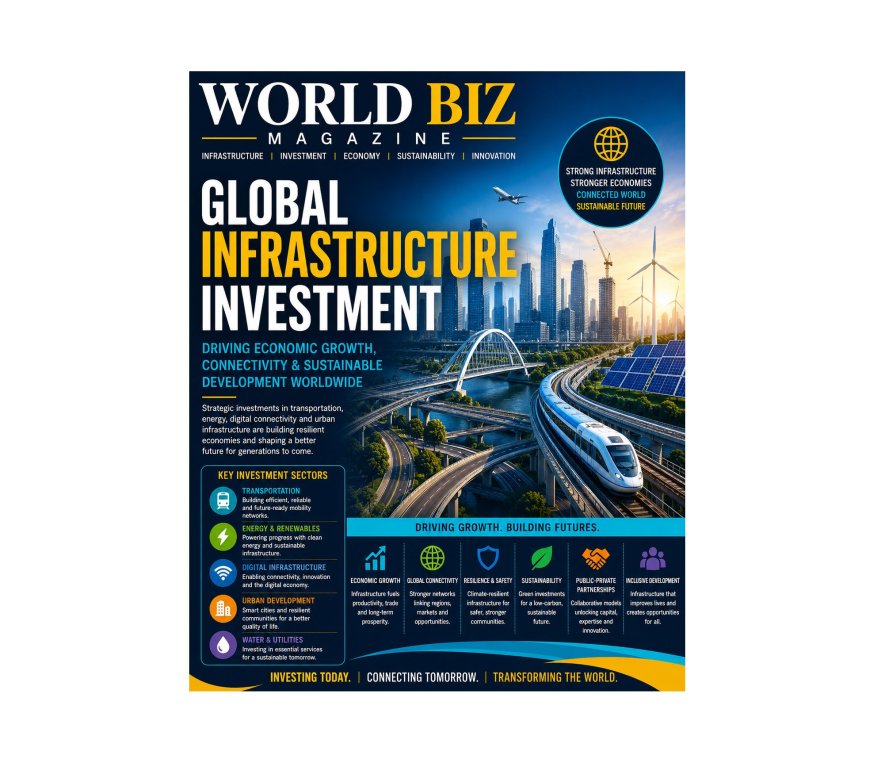
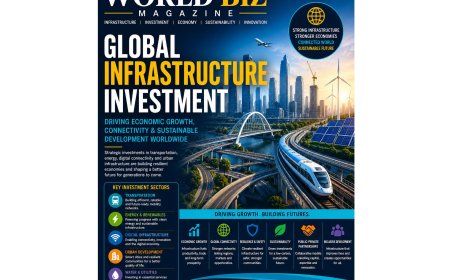
Global Infrastructure Investment
Driving Economic Growth, Connectivity, and Sustainable Development in the Twenty-First Century
World Biz Magazine | Infrastructure, Investment & Economic Development
Infrastructure investment has become one of the most important pillars of global economic growth. As governments, investors, and development institutions seek to address rising population demands, technological transformation, climate challenges, and urban expansion, infrastructure spending is increasingly viewed as a strategic tool for enhancing competitiveness, strengthening resilience, and creating long-term prosperity.
The Critical Role of Infrastructure in Modern Economies
Infrastructure forms the foundation upon which economies operate and societies function. Transportation networks, energy systems, telecommunications infrastructure, water utilities, healthcare facilities, educational institutions, and digital connectivity platforms enable economic activity and improve quality of life.
Without modern infrastructure, businesses face higher operating costs, supply chains become inefficient, productivity declines, and economic growth slows. Conversely, countries that invest strategically in infrastructure often experience stronger economic performance, increased foreign investment, greater trade competitiveness, and improved living standards.
As globalization, urbanization, and digital transformation continue to reshape economies, infrastructure investment is becoming increasingly critical to supporting future growth and national development objectives.
Rising Global Demand for Infrastructure
The demand for infrastructure investment is expanding rapidly across both developed and emerging markets. Growing populations, urban migration, aging infrastructure assets, and rising consumer expectations are creating unprecedented pressure on governments and infrastructure providers.
Many developed nations face the challenge of modernizing aging transportation systems, utilities, airports, ports, and public facilities that were built decades ago. At the same time, emerging economies must develop entirely new infrastructure networks to support industrialization, urban expansion, and economic diversification.
This combination of modernization and expansion is driving substantial investment requirements across nearly every infrastructure sector worldwide.
Infrastructure as an Economic Growth Engine
Infrastructure investment generates economic benefits that extend far beyond the construction phase. During project development, infrastructure spending creates employment opportunities, stimulates demand for materials and services, and generates economic activity across multiple industries.
Once operational, infrastructure assets improve productivity by reducing transportation costs, enhancing connectivity, increasing efficiency, and facilitating business activity. Improved infrastructure enables companies to move goods more efficiently, access larger markets, attract talent, and strengthen competitiveness.
Studies consistently demonstrate that strategic infrastructure investment contributes to long-term economic growth by improving national productivity and supporting private sector expansion.
Transportation Infrastructure Remains a Priority
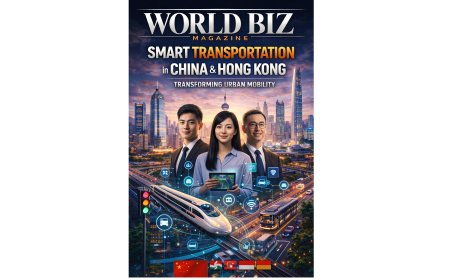
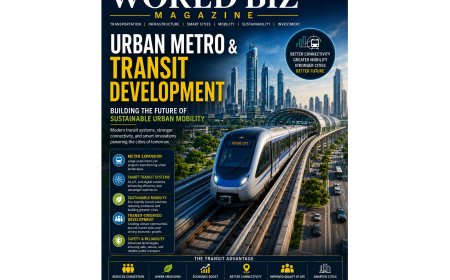
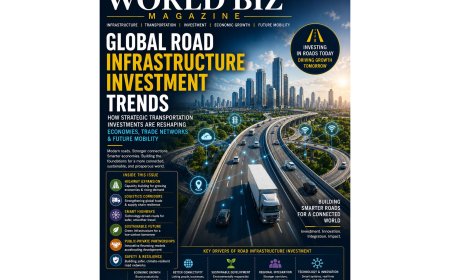
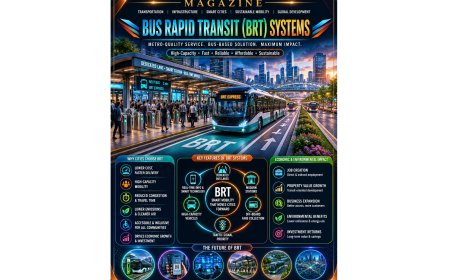
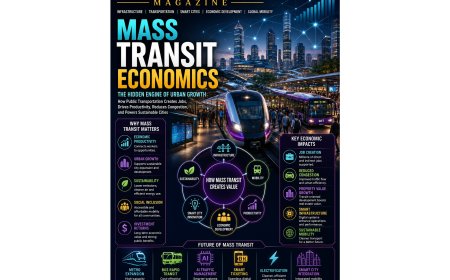
Transportation continues to represent one of the largest categories of global infrastructure investment. Governments are investing heavily in highways, rail networks, airports, seaports, urban transit systems, and logistics corridors designed to support growing mobility demands.
Efficient transportation networks are essential for trade, tourism, manufacturing, and regional economic integration. Investments in transportation infrastructure improve supply chain performance, reduce congestion, lower operating costs, and strengthen national competitiveness.
The growing emphasis on smart mobility, high-speed rail, urban transit development, and integrated transportation ecosystems is reshaping infrastructure priorities worldwide.
Energy Infrastructure and the Global Transition
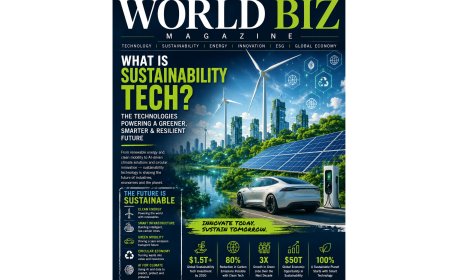
Energy infrastructure investment is undergoing a significant transformation driven by growing demand, sustainability objectives, and technological innovation. Countries are investing heavily in electricity generation, transmission networks, renewable energy facilities, energy storage systems, and smart grid technologies.
The transition toward cleaner energy sources is creating substantial opportunities for infrastructure investment. Solar power, wind energy, hydrogen systems, battery storage technologies, and advanced transmission networks are becoming increasingly important components of national infrastructure strategies.
Reliable and sustainable energy infrastructure remains essential for supporting economic growth, industrial development, and future technological advancement.
Digital Infrastructure Becomes a Strategic Asset
Digital infrastructure has emerged as one of the fastest-growing areas of global investment. High-speed internet connectivity, data centers, cloud computing facilities, telecommunications networks, fiber-optic systems, and 5G infrastructure now play a central role in economic development.
Digital transformation across industries is increasing demand for advanced connectivity and data-processing capabilities. Businesses, governments, educational institutions, and healthcare providers increasingly depend on digital infrastructure to operate effectively.
Countries investing aggressively in digital infrastructure are positioning themselves to compete more effectively in the global digital economy while supporting innovation and technological growth.
Urbanization Driving Infrastructure Expansion
Urban populations continue to grow rapidly, particularly in emerging economies. This trend is increasing demand for transportation systems, utilities, housing infrastructure, public services, healthcare facilities, educational institutions, and smart city technologies.
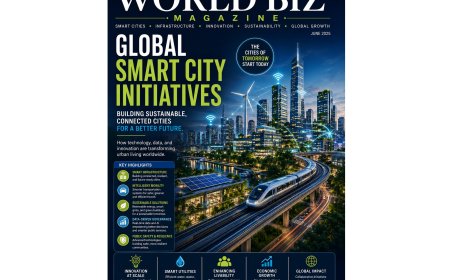
Governments are investing in urban infrastructure designed to improve mobility, sustainability, and quality of life. Smart city initiatives, integrated transportation networks, water management systems, and sustainable urban development projects are becoming key components of infrastructure investment programs.
As cities become increasingly important centers of economic activity, urban infrastructure investment will remain a major global priority.
The Growing Role of Public-Private Partnerships
Public-Private Partnerships (PPPs) have become a critical mechanism for financing and delivering infrastructure projects. Governments often face budget constraints that limit their ability to fund major projects independently.
PPP models allow public authorities to leverage private sector capital, expertise, technology, and operational capabilities. These partnerships help accelerate project delivery while distributing financial and operational risks.
Infrastructure funds, pension funds, sovereign wealth funds, institutional investors, and private equity firms are increasingly participating in infrastructure projects, recognizing the long-term value and stability associated with infrastructure assets.
Sustainable Infrastructure Investment
Sustainability has become a defining theme in global infrastructure development. Governments, investors, and development organizations are prioritizing projects that align with environmental objectives and climate resilience strategies.
Sustainable infrastructure includes renewable energy systems, low-carbon transportation networks, green buildings, climate-resilient infrastructure, water conservation projects, and circular economy initiatives.
Investors are increasingly incorporating Environmental, Social, and Governance (ESG) considerations into infrastructure decision-making. Sustainable infrastructure is no longer viewed solely as an environmental objective but also as a driver of long-term economic value and risk mitigation.
Infrastructure Financing Innovations
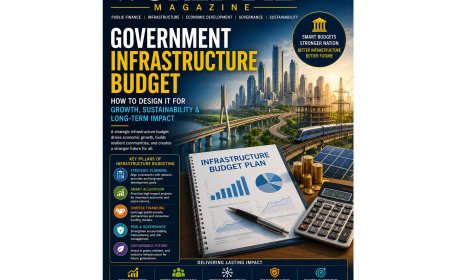
The scale of global infrastructure demand has encouraged innovation in financing structures. Governments and investors are utilizing a wide range of funding mechanisms to support project development.
These include:
- Infrastructure bonds
- Green bonds
- Public-Private Partnerships
- Sovereign wealth funds
- Infrastructure investment funds
- Pension fund participation
- Development bank financing
- Asset recycling programs
- Sustainability-linked financing
- Blended finance structures
These financing innovations are helping mobilize capital while improving project viability and investment attractiveness.
Technology Transforming Infrastructure Development
Technological innovation is reshaping how infrastructure is planned, financed, constructed, and managed. Artificial intelligence, digital twins, Building Information Modeling (BIM), predictive analytics, robotics, drones, and advanced materials are improving project efficiency and performance.
Technology enables better project planning, more accurate forecasting, enhanced asset management, and reduced lifecycle costs. Smart infrastructure systems can monitor performance in real time, support predictive maintenance, and improve operational reliability.
As infrastructure becomes increasingly intelligent and connected, technology will play a central role in maximizing investment returns and long-term asset value.
Regional Infrastructure Investment Trends
Infrastructure investment priorities vary by region. Asia remains one of the largest infrastructure markets globally, driven by urbanization, industrialization, and economic growth. The Middle East continues to invest heavily in transportation, energy, and smart city developments as part of economic diversification strategies.
Europe is focused on sustainability, digital infrastructure, and transportation modernization, while North America is investing in the renewal of aging infrastructure systems. Africa and Latin America are prioritizing transportation, energy access, and connectivity projects to support economic development and regional integration.
Despite regional differences, infrastructure investment remains a common priority for governments seeking to strengthen economic competitiveness and resilience.
Challenges Facing Infrastructure Investment
While opportunities remain significant, infrastructure development faces several challenges. Funding gaps, regulatory complexity, project delays, geopolitical uncertainty, supply chain disruptions, labor shortages, and climate risks can affect project outcomes.
Successful infrastructure strategies require strong governance, transparent procurement processes, effective risk management, stakeholder collaboration, and long-term planning frameworks. Governments and investors must balance economic objectives with environmental, social, and fiscal considerations.
Addressing these challenges will be essential to meeting future infrastructure demands and maximizing investment benefits.
World Biz Magazine Insights
Global infrastructure investment is entering a new era characterized by digital transformation, sustainability, resilience, and connectivity. Governments are increasingly viewing infrastructure not merely as physical assets but as strategic enablers of economic growth, innovation, and national competitiveness. The most successful investment strategies will combine long-term vision, technological innovation, diversified financing, and sustainable development principles to create infrastructure systems capable of supporting future generations.
Conclusion
Infrastructure remains one of the most powerful drivers of economic growth and societal development. As governments, investors, and development institutions address rising demand for transportation, energy, digital connectivity, and urban services, infrastructure investment will continue to shape the future of economies worldwide. By embracing innovation, sustainability, and collaborative financing approaches, nations can build resilient infrastructure systems that support prosperity, competitiveness, and long-term development in an increasingly interconnected world.
Disclaimer
This article is published by World Biz Magazine for informational and educational purposes only. The content reflects general industry perspectives related to infrastructure investment, economic development, public policy, and global market trends. It does not constitute financial, investment, legal, engineering, or policy advice. Readers should conduct independent research and consult qualified professionals before making decisions related to infrastructure investments, financing strategies, public-private partnerships, or economic development initiatives. World Biz Magazine assumes no responsibility for actions taken based on the information presented in this publication.
What's Your Reaction?
 Like
1
Like
1
 Dislike
0
Dislike
0
 Love
0
Love
0
 Funny
0
Funny
0
 Angry
0
Angry
0
 Sad
0
Sad
0
 Wow
0
Wow
0