







































































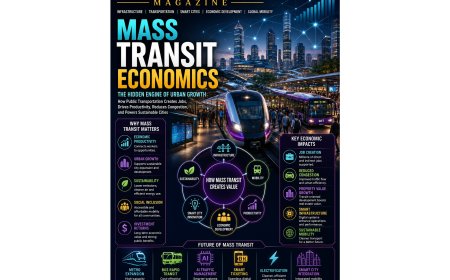
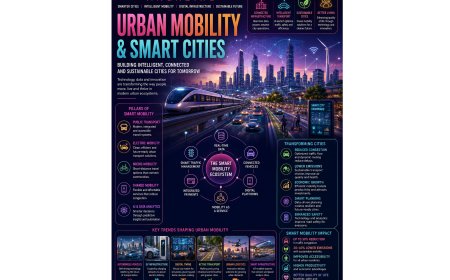

Modern Metro Infrastructure: Enhancing Connectivity, Sustainability, and Urban Growth
Urban metro and transit projects are reshaping cities through advanced infrastructure, smart technologies, and integrated mobility systems.

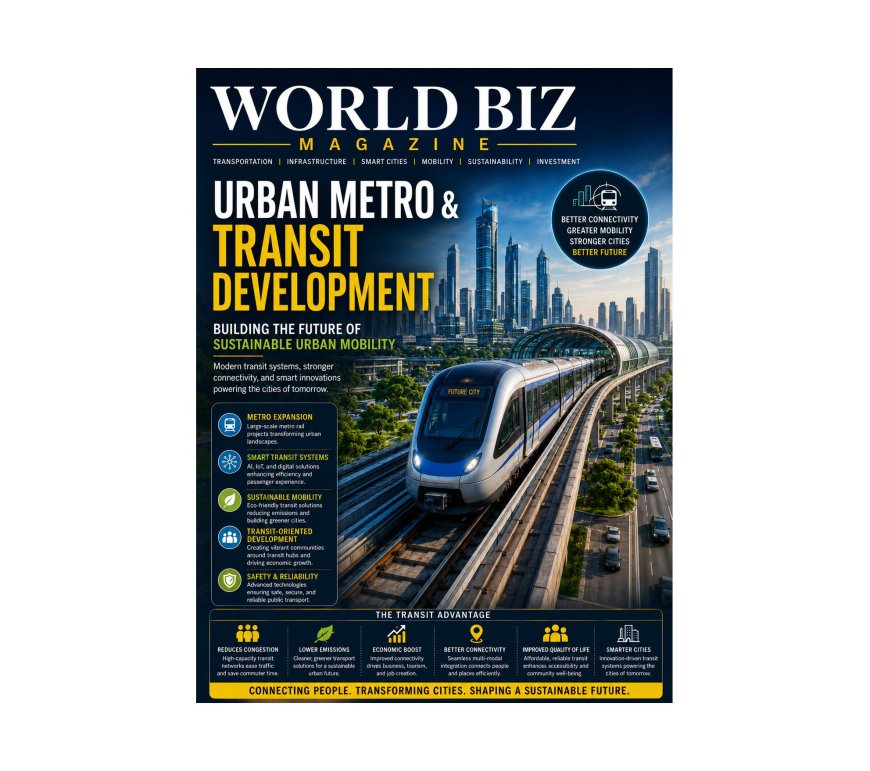
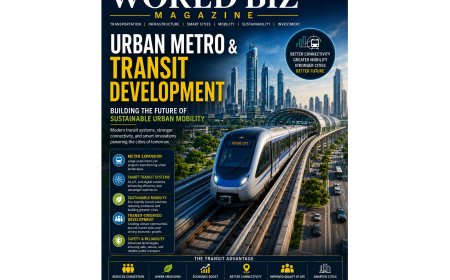
Urban Metro & Transit Development
Building the Future of Sustainable Urban Mobility Through Modern Public Transportation Infrastructure
World Biz Magazine | Transportation, Infrastructure & Urban Development
As cities worldwide grapple with rapid urbanization, traffic congestion, and sustainability challenges, urban metro and transit development is emerging as one of the most important investments shaping the future of mobility, economic growth, and quality of life.
The Growing Need for Modern Urban Transit Systems
Cities have historically served as engines of economic activity, innovation, and population growth. However, as urban populations continue to expand, transportation networks are facing unprecedented pressure. Road congestion, increasing vehicle ownership, environmental concerns, and infrastructure limitations have created significant mobility challenges in metropolitan regions around the world.
Urban metro and transit development has become a critical solution for addressing these challenges. Modern public transportation systems provide efficient, reliable, and sustainable alternatives to private vehicle use while enabling cities to support economic growth without compromising mobility or environmental objectives.
Governments, transportation authorities, and infrastructure developers are increasingly prioritizing metro rail systems, light rail networks, rapid transit corridors, and integrated public transportation ecosystems as essential components of future urban planning strategies.
Urbanization Driving Transit Infrastructure Investment
The rapid growth of urban populations is fundamentally reshaping transportation requirements. Millions of people move into cities each year seeking employment opportunities, education, healthcare, and improved living standards. This demographic shift is creating substantial demand for efficient mobility solutions capable of moving large numbers of people safely and affordably.
Traditional road-based transportation systems often struggle to accommodate this growth, resulting in increased congestion, longer travel times, and higher economic costs. Urban transit systems provide significantly greater passenger capacity while utilizing less space and generating lower environmental impact.
As cities become denser and more interconnected, investments in metro and transit infrastructure are becoming essential for maintaining economic productivity and urban competitiveness.
Economic Benefits of Metro and Transit Development
Urban transit projects generate substantial economic benefits that extend far beyond transportation. Improved mobility enables workers to access employment opportunities more efficiently while allowing businesses to attract talent from larger geographic areas.
Transit infrastructure often stimulates economic development around stations and transportation corridors. Commercial districts, residential developments, retail centers, and mixed-use projects frequently emerge near metro stations, creating new opportunities for investment and urban regeneration.
Construction activities associated with major transit projects also generate significant employment opportunities across engineering, manufacturing, construction, technology, and professional services sectors. The long-term economic impact includes increased productivity, enhanced property values, and stronger regional economic integration.
Reducing Traffic Congestion and Improving Mobility
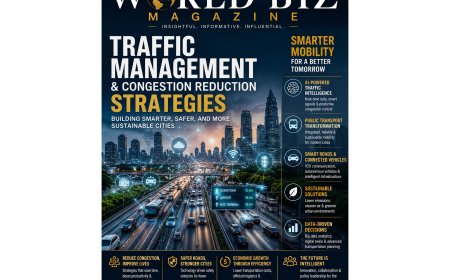
Traffic congestion remains one of the most pressing challenges facing modern cities. Congested roadways result in lost productivity, increased fuel consumption, higher transportation costs, and reduced quality of life for commuters.
Metro systems provide high-capacity transportation alternatives capable of moving thousands of passengers per hour while reducing dependence on private vehicles. By shifting commuters from roads to rail-based transit systems, cities can significantly reduce traffic volumes and improve overall transportation efficiency.
Integrated transit networks that combine metro systems, buses, light rail, commuter rail, and mobility services create seamless transportation ecosystems that offer citizens greater flexibility and convenience. These systems improve accessibility while reducing urban transportation bottlenecks.
Sustainability and Environmental Advantages
Sustainability has become a major driver of urban transit development worldwide. Transportation remains one of the largest contributors to greenhouse gas emissions, particularly in densely populated urban areas.
Metro and mass transit systems help reduce environmental impact by lowering vehicle emissions, decreasing fuel consumption, and promoting more sustainable mobility patterns. Electrified transit systems produce significantly lower emissions per passenger compared to private automobiles.
Many cities are integrating renewable energy sources, energy-efficient technologies, and sustainable construction practices into transit infrastructure projects. These initiatives support broader climate goals while improving air quality and reducing environmental pressures on urban ecosystems.
As governments pursue carbon reduction strategies, public transportation investment is increasingly recognized as a critical component of sustainable urban development.
Transit-Oriented Development Reshaping Cities
Transit-oriented development (TOD) has emerged as a powerful urban planning strategy closely linked to metro expansion projects. TOD focuses on creating compact, walkable, mixed-use communities centered around transit stations.
By encouraging residential, commercial, and recreational development near transportation hubs, cities can reduce travel distances, increase transit usage, and improve land-use efficiency. These developments often create vibrant urban districts that enhance economic activity and quality of life.
Transit-oriented development also helps address housing challenges by increasing accessibility to employment centers and reducing transportation costs for residents. As a result, TOD is becoming an increasingly important component of long-term urban planning strategies worldwide.
Smart Technologies Transforming Public Transit
Digital transformation is revolutionizing urban transit systems. Smart technologies are improving operational efficiency, passenger experience, and infrastructure management across modern transportation networks.
Artificial intelligence, Internet of Things (IoT) devices, predictive analytics, and cloud-based management platforms enable transportation authorities to monitor system performance in real time. Smart ticketing systems, mobile payment solutions, passenger information platforms, and predictive maintenance technologies enhance service reliability and convenience.
Advanced technologies also support more efficient route planning, crowd management, energy optimization, and emergency response capabilities. As digital innovation accelerates, smart transit systems are becoming increasingly integrated into broader smart city initiatives.
High-Speed Connectivity and Integrated Mobility
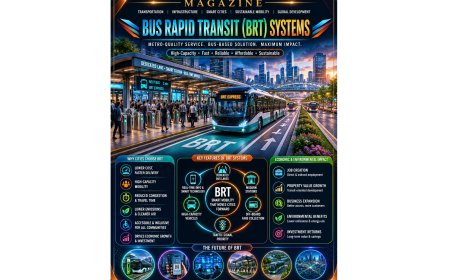
Modern transit development extends beyond traditional rail systems. Cities are increasingly creating integrated mobility ecosystems that connect metro networks with buses, ride-sharing services, bike-sharing programs, autonomous transportation solutions, and pedestrian infrastructure.
Mobility-as-a-Service (MaaS) platforms allow users to plan, book, and pay for multiple transportation modes through a single digital interface. These integrated solutions improve accessibility while encouraging greater use of public transportation.
By creating interconnected transportation networks, cities can offer seamless travel experiences that reduce reliance on private vehicles and support more efficient urban mobility.
Financing Large-Scale Transit Projects
Urban metro development requires substantial capital investment, often involving multi-billion-dollar infrastructure programs. Governments are increasingly utilizing innovative financing models to support project delivery.
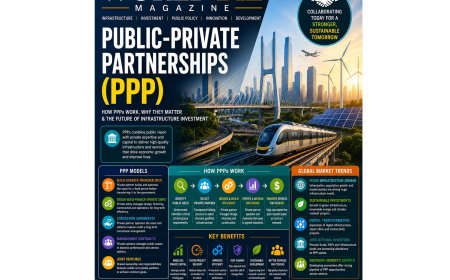
Public-private partnerships (PPPs), infrastructure funds, development banks, sovereign wealth funds, and institutional investors are playing important roles in financing transit expansion initiatives. These partnerships help accelerate project implementation while distributing financial and operational risks.
Successful financing strategies typically combine public investment, private sector participation, land value capture mechanisms, and long-term infrastructure planning frameworks. Such approaches enable cities to undertake ambitious transit projects while maintaining fiscal sustainability.
Challenges Facing Transit Development
Despite the significant benefits, urban transit projects face various challenges. High construction costs, land acquisition requirements, regulatory approvals, technical complexity, and long implementation timelines can affect project delivery.
Population growth patterns, funding constraints, political priorities, and evolving mobility trends also influence planning decisions. Additionally, maintaining affordability while ensuring operational sustainability remains an ongoing challenge for transportation authorities.
Addressing these issues requires strong governance frameworks, stakeholder collaboration, long-term planning, and effective project management practices.
Global Trends in Urban Transit Development
Across Asia, Europe, North America, the Middle East, Latin America, and Africa, cities are investing heavily in metro expansion and transit modernization programs. Emerging economies are developing new transit systems to support urban growth, while developed nations are upgrading aging infrastructure to improve efficiency and sustainability.
Many cities are incorporating smart technologies, automation, renewable energy integration, and digital services into transit networks from the earliest planning stages. These investments reflect growing recognition that modern transportation infrastructure is essential for economic competitiveness and sustainable urban development.
As urban populations continue to grow, demand for advanced public transportation systems is expected to increase significantly over the coming decades.
World Biz Magazine Insights
Urban metro and transit development is becoming one of the defining infrastructure priorities of the twenty-first century. Modern transportation systems are no longer viewed solely as mobility solutions but as strategic investments that support economic growth, environmental sustainability, social inclusion, and urban resilience. Cities that successfully develop integrated, technology-driven transit ecosystems will be better positioned to meet future mobility demands while enhancing their attractiveness as places to live, work, and invest.
Conclusion
Urban metro and transit development plays a vital role in shaping the future of cities. By reducing congestion, improving mobility, supporting economic growth, and advancing sustainability objectives, modern transit systems deliver benefits that extend across every aspect of urban life. As governments continue investing in transportation infrastructure, metro and transit networks will remain central to creating smarter, more connected, and more sustainable cities for future generations.
Disclaimer
This article is published by World Biz Magazine for informational and educational purposes only. The content reflects general industry perspectives related to urban transportation, infrastructure development, public transit systems, and mobility innovation. It does not constitute investment, engineering, legal, transportation, or policy advice. Readers should consult qualified professionals and conduct independent research before making decisions related to infrastructure projects, transportation investments, urban planning initiatives, or public policy matters. World Biz Magazine assumes no responsibility for actions taken based on the information presented in this publication.
What's Your Reaction?
 Like
1
Like
1
 Dislike
0
Dislike
0
 Love
0
Love
0
 Funny
0
Funny
0
 Angry
0
Angry
0
 Sad
0
Sad
0
 Wow
0
Wow
0