
































































































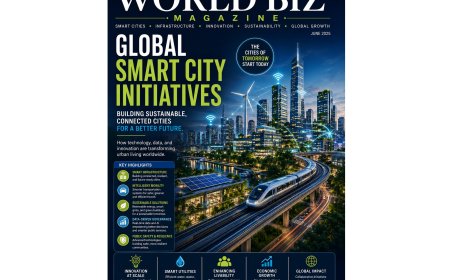
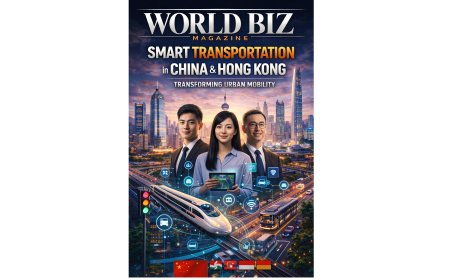
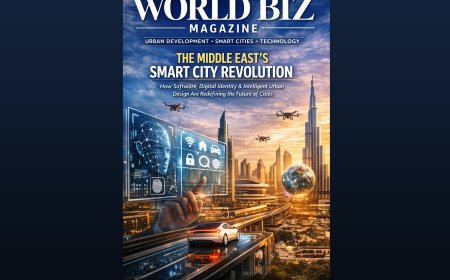















































































Smart Traffic & Transportation Systems Transforming Cities Worldwide
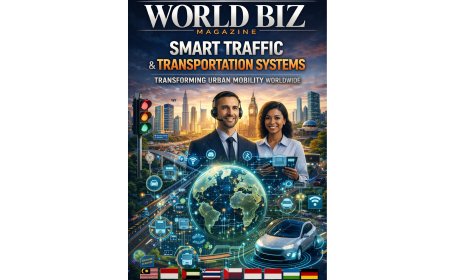
Smart traffic and transportation systems are transforming urban mobility worldwide. Discover how cities like Dubai, Kuala Lumpur, Doha, and European capitals are adopting intelligent mobility technologies.

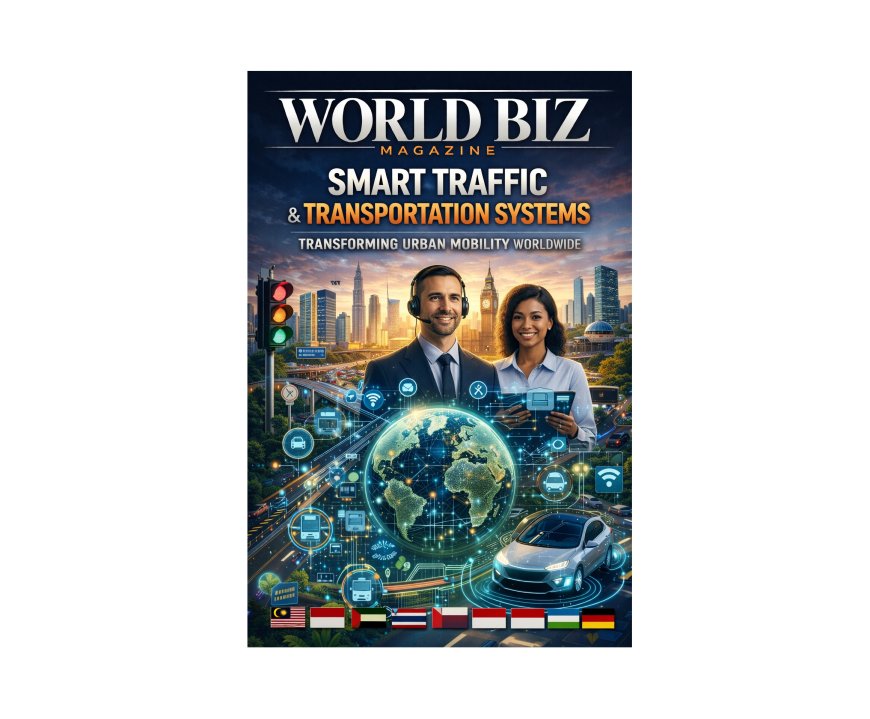
Smart Traffic & Transportation Systems: Transforming Urban Mobility Across Global Cities
World Biz Magazine | Global Business, Infrastructure, and Technology Insights
World Biz Magazine delivers in-depth analysis of global industries, emerging technologies, infrastructure development, and economic trends shaping the future of cities and global markets.
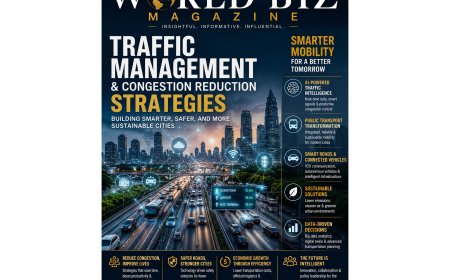
As cities expand and populations grow, urban transportation systems face increasing pressure. Traffic congestion, pollution, inefficient public transit, and infrastructure limitations are major challenges affecting modern cities worldwide. In response, governments and urban planners are adopting smart traffic and transportation systems to improve mobility, safety, and environmental sustainability.
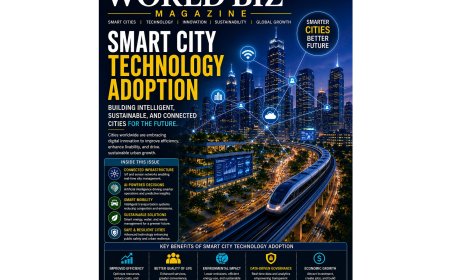
Smart transportation integrates advanced technologies such as artificial intelligence (AI), Internet of Things (IoT), real-time data analytics, smart traffic signals, autonomous mobility solutions, and integrated public transportation networks. These systems allow cities to monitor traffic conditions, optimize traffic flows, reduce congestion, and improve public transport efficiency.
From Southeast Asia to Europe and the Middle East, cities are investing heavily in intelligent transportation infrastructure to support economic growth and improve urban living standards.
What Are Smart Traffic and Transportation Systems?
Smart traffic systems use digital technologies and connected infrastructure to manage traffic flow and transportation networks more efficiently.
Key technologies used in smart transportation include:
- AI-powered traffic signal control
- IoT-based traffic sensors
- Smart parking systems
- Integrated public transport platforms
- Autonomous and electric vehicle infrastructure
- Real-time traffic monitoring systems
- Digital mobility platforms and apps
These systems allow cities to respond dynamically to traffic conditions, reduce congestion, improve safety, and support environmentally friendly transportation options.
Malaysia: Smart Mobility in Southeast Asia
Malaysia has made significant progress in adopting smart transportation solutions, particularly in cities such as Kuala Lumpur, Putrajaya, and Johor Bahru.
Major initiatives include:
- Intelligent traffic signal systems
- Smart highway monitoring
- integrated public transportation networks
- smart parking management
Malaysia’s Smart City Framework encourages the use of data-driven transportation planning and digital mobility solutions.
Impact
Smart transportation systems in Malaysia have contributed to:
- reduced urban congestion
- improved public transport efficiency
- better road safety management
However, rapid urban growth still places pressure on infrastructure in major cities.
Dubai (UAE): Leading Smart Transportation Innovation
Dubai is one of the world’s most advanced cities in smart mobility development. The city has invested heavily in AI-powered traffic management, autonomous vehicle technology, and smart public transportation systems.
Key developments include:
- autonomous taxis and vehicles
- smart metro systems
- AI traffic monitoring networks
- smart parking infrastructure
- integrated digital transport platforms
Dubai’s Roads and Transport Authority (RTA) has launched multiple initiatives aimed at transforming the city into a global hub for intelligent mobility.
Regional Context
While the UAE remains politically stable, the broader Middle East occasionally experiences geopolitical tensions. Smart transportation infrastructure plays an important role in maintaining urban resilience and emergency mobility capabilities.
Qatar, Abu Dhabi, Sharjah, and Manama: Smart Mobility in the Gulf
Several Gulf cities are investing heavily in modern transportation systems to support economic diversification and urban expansion.
Qatar (Doha)
Qatar has developed advanced transportation infrastructure, including:
- smart traffic management systems
- intelligent public transportation networks
- automated metro systems
- smart road monitoring
These developments accelerated ahead of the global sporting events hosted in Doha.
Abu Dhabi
Abu Dhabi has implemented smart mobility solutions including:
- integrated traffic control centers
- intelligent road monitoring systems
- smart public transportation networks
The city continues expanding its electric vehicle infrastructure.
Sharjah
Sharjah is adopting smart urban transport planning focused on:
- traffic management technology
- public transportation expansion
- improved road infrastructure
Manama (Bahrain)
Manama is modernizing its transportation infrastructure with:
- traffic monitoring systems
- digital transportation management platforms
- future metro and rail projects
Thailand: Urban Transportation Challenges and Innovation
Thailand’s major cities, particularly Bangkok, face severe traffic congestion. In response, the government is investing in smart traffic control systems and public transportation expansion.
Key initiatives include:
- AI-based traffic signal control
- expansion of metro and skytrain networks
- digital traffic monitoring systems
- integrated mobility platforms
These systems help improve traffic flow and reduce congestion in one of Southeast Asia’s busiest urban environments.
European Countries: Global Leaders in Smart Transportation
Europe has long been a pioneer in intelligent transportation systems. Several countries have implemented highly advanced smart mobility infrastructure.
Germany
Germany integrates smart traffic systems with autonomous vehicle testing, advanced highway monitoring, and digital mobility platforms.
Netherlands
The Netherlands focuses heavily on sustainable transportation including:
- smart cycling infrastructure
- integrated public transport networks
- intelligent traffic management
Sweden
Sweden is investing in smart mobility and zero-emission transportation systems, combining digital traffic control with sustainable urban mobility.
France
France has developed intelligent traffic management systems and advanced metro networks in cities such as Paris.
United Kingdom
The UK uses AI-powered traffic monitoring systems, smart highways, and integrated transport networks to manage urban mobility.
Azerbaijan: Modernizing Urban Mobility
Azerbaijan is improving its transportation infrastructure, particularly in Baku.
Recent initiatives include:
- modern metro expansion
- smart traffic signal systems
- digital traffic monitoring
These developments support tourism, economic growth, and urban modernization.
Indonesia: Smart Mobility for Mega Cities
Indonesia faces major transportation challenges due to its large population and rapidly growing cities.
Jakarta, one of the world’s largest metropolitan areas, has introduced several smart transportation solutions:
- smart traffic monitoring systems
- integrated public transportation platforms
- bus rapid transit (BRT) systems
- digital ride-hailing integration
These initiatives aim to reduce congestion and improve urban mobility.
Uzbekistan: Smart Transport for Rapid Urban Development
Uzbekistan has begun integrating smart technologies into its transportation infrastructure as part of broader economic reforms.
Cities such as Tashkent are introducing:
- intelligent traffic control systems
- metro network expansion
- digital traffic monitoring
These initiatives support modernization and urban development.
Tajikistan: Developing Transportation Infrastructure
Tajikistan is still in the early stages of adopting smart transportation technologies. However, urban centers such as Dushanbe are investing in improved traffic management and road infrastructure.
Current efforts focus on:
- upgrading road networks
- improving traffic control systems
- expanding public transport services
Benefits of Smart Transportation Systems
Smart traffic systems provide significant benefits for cities and residents.
Reduced Traffic Congestion
Real-time monitoring allows traffic signals and routes to be optimized dynamically.
Improved Road Safety
AI and sensor systems can detect accidents, dangerous driving, and congestion.
Environmental Sustainability
Smart transportation reduces fuel consumption and emissions.
Economic Efficiency
Efficient mobility systems support business activity, logistics, and tourism.
Challenges Facing Smart Mobility Implementation
Despite their advantages, smart transportation systems face several challenges.
High Infrastructure Costs
Developing intelligent transportation systems requires significant investment.
Cybersecurity Risks
Connected transportation systems must be protected from cyber threats.
Integration Complexity
Cities must coordinate multiple systems and stakeholders to implement smart mobility solutions effectively.
Global Smart Transportation Technology Comparison
|
Country / Region |
Smart Traffic Management |
Smart Public Transport |
Electric & Autonomous Mobility |
Digital Mobility Platforms |
Technology Level |
|
Dubai (UAE) |
AI-powered traffic monitoring and smart signals |
Advanced metro and autonomous transport pilots |
Strong EV and autonomous vehicle initiatives |
Integrated transport apps and smart ticketing |
Very High (9.5/10) |
|
Qatar (Doha) |
Smart traffic control systems |
Modern automated metro network |
Expanding EV infrastructure |
Smart transport planning systems |
Very High (9/10) |
|
Abu Dhabi (UAE) |
Intelligent transport management systems |
Integrated public transport networks |
Growing EV infrastructure |
Digital transport platforms |
High (8.5/10) |
|
Malaysia |
Smart traffic signal systems and highway monitoring |
Expanding metro and rail systems |
Moderate EV adoption |
Digital mobility apps |
High (8/10) |
|
Thailand |
AI-based traffic monitoring in major cities |
Large metro and Skytrain systems |
Limited EV infrastructure |
Transport planning platforms |
Moderate–High (7.5/10) |
|
European Countries (Germany, Netherlands, Sweden, France, UK) |
Highly advanced ITS networks |
Extensive rail and metro infrastructure |
Strong EV and autonomous testing |
Integrated mobility platforms |
Very High (9.5/10) |
|
Azerbaijan |
Modernizing traffic management systems |
Metro expansion in Baku |
Limited EV adoption |
Digital transport planning |
Moderate (6.5/10) |
|
Indonesia |
Smart traffic monitoring in Jakarta |
Bus rapid transit and metro expansion |
Emerging EV infrastructure |
Ride-hailing integration |
Moderate (7/10) |
|
Uzbekistan |
Intelligent traffic systems in major cities |
Expanding metro networks |
Limited EV adoption |
Early-stage digital mobility systems |
Moderate (6.5/10) |
|
Tajikistan |
Basic traffic management systems |
Limited public transport modernization |
Minimal EV infrastructure |
Early-stage digital systems |
Developing (5/10) |
|
Sharjah (UAE) |
Smart traffic monitoring initiatives |
Expanding public transportation |
Growing EV infrastructure |
Integrated mobility planning |
High (8/10) |
|
Manama (Bahrain) |
Traffic monitoring and ITS systems |
Planned metro network |
Limited EV adoption |
Digital mobility planning |
Moderate-High (7.5/10) |
Key Smart Transportation Technologies
|
Technology |
Purpose |
|
AI Traffic Signals |
Automatically adjust traffic lights based on congestion levels |
|
IoT Traffic Sensors |
Collect real-time traffic data |
|
Smart Parking Systems |
Reduce time spent searching for parking |
|
Integrated Mobility Apps |
Combine metro, bus, taxi, and ride-sharing services |
|
Electric Vehicle Infrastructure |
Support low-emission transportation |
|
Autonomous Vehicle Systems |
Enable self-driving transportation networks |
Smart Transportation Leadership Ranking
Global Leaders
Dubai
European Countries
Qatar
Advanced Smart Mobility Cities
Abu Dhabi
Malaysia
Sharjah
Emerging Smart Transportation Markets
Thailand
Indonesia
Manama
Azerbaijan
Developing Smart Mobility Systems
Uzbekistan
Tajikistan
The Future of Smart Transportation
The future of transportation is expected to combine autonomous vehicles, electric mobility, AI-driven traffic management, and integrated public transportation platforms.
Emerging technologies shaping future mobility include:
- autonomous vehicle networks
- smart highways
- drone logistics systems
- electric vehicle infrastructure
- AI-powered mobility planning
Cities worldwide are increasingly recognizing that smart transportation is essential for sustainable urban development.
Key Insight
Cities that integrate AI-driven traffic control, advanced public transportation networks, electric vehicle infrastructure, and digital mobility platforms achieve the highest levels of smart transportation efficiency.
Regions such as Europe and the Gulf states currently lead the global transition toward intelligent mobility systems, while many Asian and Central Asian countries are rapidly modernizing their transportation infrastructure.
Conclusion
Smart traffic and transportation systems are transforming how cities manage mobility and infrastructure. From Dubai’s advanced AI traffic networks to Europe’s sustainable mobility systems and Southeast Asia’s emerging smart transport solutions, governments worldwide are investing in intelligent infrastructure to address urban transportation challenges.
As technology continues to evolve, smart mobility will play a central role in shaping the future of cities, improving efficiency, reducing environmental impact, and enhancing quality of life for millions of urban residents around the world.
Disclaimer
The information presented in this article is intended for informational and editorial purposes only. Transportation policies, infrastructure developments, and technology adoption levels may vary significantly between countries and cities and may change over time.
While every effort is made to ensure accuracy, readers are encouraged to conduct independent research and consult relevant authorities or professionals before making policy, infrastructure, or investment decisions based on the information provided.
World Biz Magazine and its contributors are not responsible for any outcomes resulting from the use of this information.
What's Your Reaction?
 Like
0
Like
0
 Dislike
0
Dislike
0
 Love
0
Love
0
 Funny
0
Funny
0
 Angry
0
Angry
0
 Sad
0
Sad
0
 Wow
0
Wow
0