

















































































































































































Green & Sustainable Communities: The Social Impact of Modern Housing Projects
Green and sustainable housing projects are transforming cities worldwide. Explore how eco-friendly communities improve social development, urban living, and environmental sustainability.

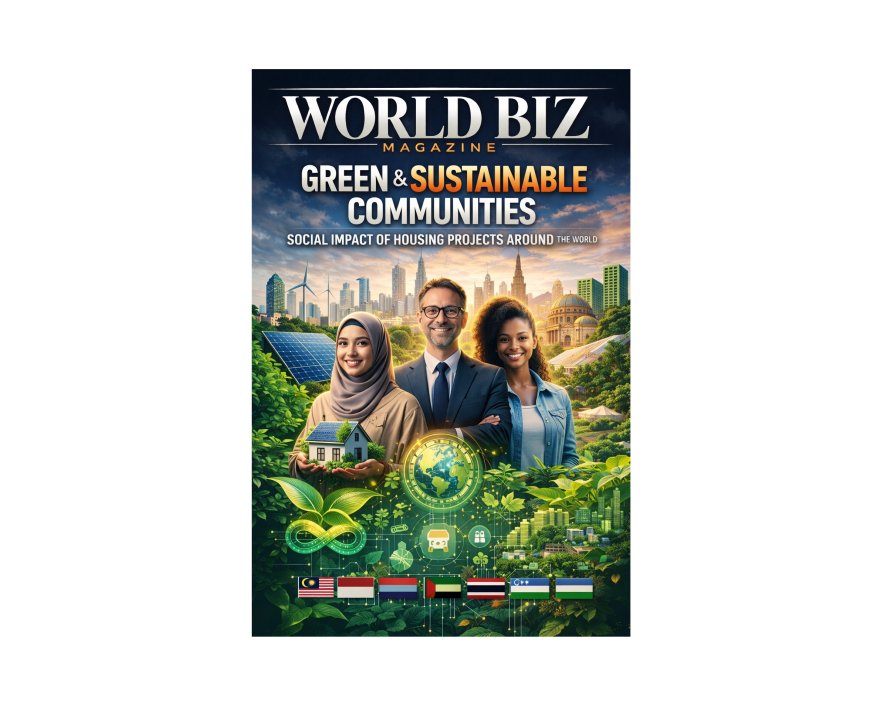
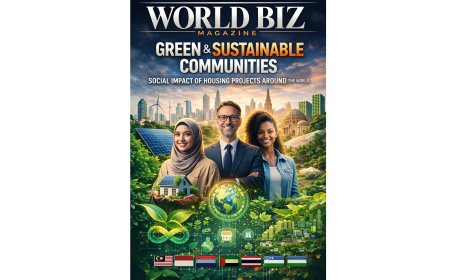
Green & Sustainable Communities: The Social Impact of Housing Projects Around the World
World Biz Magazine | Global Business, Infrastructure, and Sustainable Development Insights
As urban populations continue to grow rapidly, governments and developers worldwide are rethinking how residential communities are designed and built. The traditional approach to housing development is being replaced by green and sustainable community models that prioritize environmental responsibility, energy efficiency, social inclusion, and long-term economic stability.
Green housing projects are not only about environmentally friendly buildings—they are about creating livable, resilient communities that improve the quality of life for residents while reducing environmental impact. Across regions such as Southeast Asia, Europe, the Middle East, and Central Asia, sustainable housing developments are becoming a key element of modern urban planning.
These initiatives aim to address major global challenges including climate change, urban overcrowding, energy consumption, and social inequality.
What Are Green and Sustainable Communities?
Green and sustainable communities are residential developments designed to minimize environmental impact while promoting healthy and socially connected lifestyles.
Key features typically include:
· Energy-efficient buildings
· Renewable energy integration (solar or wind)
· Water conservation systems
· Green spaces and parks
· Sustainable transportation infrastructure
· Smart city technologies
· Waste management and recycling systems
These communities combine environmental sustainability with social development, ensuring that residents benefit from cleaner environments, improved infrastructure, and stronger community networks.
Malaysia: Sustainable Urban Housing Initiatives
Malaysia has emerged as one of Southeast Asia’s leaders in sustainable residential development. Cities such as Kuala Lumpur and Johor Bahru are seeing rapid growth in green-certified housing projects.
Developers increasingly incorporate eco-friendly features such as:
· solar-powered residential buildings
· rainwater harvesting systems
· green rooftop gardens
· smart energy monitoring systems
Malaysia’s Green Building Index (GBI) has encouraged property developers to integrate sustainable design into housing projects. These developments improve energy efficiency while promoting healthier urban environments.
Social Impact
Green housing communities in Malaysia have helped:
· reduce energy consumption in urban areas
· improve air quality and urban living standards
· create environmentally conscious residential communities
Dubai (UAE): Smart and Sustainable Urban Communities
Dubai is widely known for large-scale real estate development, but in recent years the city has also become a major hub for sustainable residential projects.
Projects such as smart residential districts incorporate:
· solar energy systems
· electric vehicle infrastructure
· automated energy management
· green building standards
These initiatives support the UAE’s broader sustainability goals, including reducing carbon emissions and promoting renewable energy adoption.
Social Impact
Sustainable communities in Dubai have contributed to:
· improved urban livability
· technological integration in residential environments
· stronger environmental awareness among residents
Thailand: Eco-Friendly Housing and Tourism Cities
Thailand’s growing urban centers are increasingly adopting sustainable housing models. Developers in cities like Bangkok and Phuket are building residential communities designed around environmental sustainability.
Key features often include:
· green public spaces
· energy-efficient building materials
· bicycle-friendly infrastructure
· sustainable water management systems
Social Impact
Green housing projects in Thailand support:
· healthier urban environments
· tourism-driven economic growth
· community engagement through public green spaces
European Countries: Leaders in Sustainable Housing
Many European nations are global leaders in sustainable residential development. Countries such as Germany, the Netherlands, and Sweden have implemented strict environmental standards for housing construction.
European sustainable housing projects typically feature:
· zero-energy buildings
· district heating systems
· advanced recycling infrastructure
· pedestrian-friendly community design
Social Impact
These projects have resulted in:
· reduced carbon emissions
· high-quality urban living environments
· strong social cohesion in residential communities
Europe’s housing policies also promote mixed-income neighborhoods, helping prevent social segregation.
Azerbaijan: Emerging Green Urban Developments
Azerbaijan is gradually incorporating sustainable practices into urban housing developments, particularly in the capital city of Baku.
Recent residential projects emphasize:
· modern energy-efficient buildings
· improved urban planning
· public recreational areas
Social Impact
Green housing initiatives are helping Azerbaijan modernize its urban infrastructure while improving residential quality of life.
Indonesia: Sustainable Housing in High-Density Cities
Indonesia faces significant challenges related to urban population growth, especially in Jakarta and other major cities.
To address these issues, developers and governments are introducing sustainable housing projects designed to reduce environmental pressure.
Common initiatives include:
· eco-friendly housing developments
· urban green parks
· improved waste management systems
Social Impact
Sustainable housing developments help:
· reduce urban pollution
· improve public health
· create stronger neighborhood communities
Uzbekistan: Modern Sustainable Urban Communities
Uzbekistan has begun integrating sustainability into its rapidly expanding urban housing sector. Government-led housing programs are increasingly incorporating green infrastructure and improved urban planning.
New residential developments include:
· energy-efficient apartment complexes
· public green spaces
· improved transportation infrastructure
Social Impact
These developments support:
· modernization of urban living standards
· improved environmental management
· stronger community infrastructure
Tajikistan: Early Steps Toward Sustainable Housing
Tajikistan’s housing market is still developing, but sustainable housing concepts are gradually being introduced in urban areas such as Dushanbe.
New residential projects increasingly emphasize:
· improved energy efficiency
· better urban planning
· basic environmental protection measures
Social Impact
Although still in early stages, sustainable housing initiatives help improve urban living conditions and infrastructure development.
Key Social Benefits of Green Housing Communities
Sustainable housing projects produce significant social benefits that extend beyond environmental protection.
Improved Public Health
Green spaces, cleaner air, and environmentally friendly building materials contribute to healthier living environments.
Stronger Communities
Shared green spaces and community-focused design encourage social interaction among residents.
Economic Opportunities
Sustainable housing projects create employment in construction, renewable energy, and infrastructure development.
Long-Term Environmental Protection
Energy-efficient buildings reduce energy consumption and support climate goals.
Global Green Housing Sustainability Comparison
|
Country / Region |
Green Housing Policies |
Renewable Energy Use in Housing |
Sustainable Infrastructure |
Urban Green Spaces |
Sustainability Score |
|
Malaysia |
Strong green building certification programs |
Growing solar adoption |
Smart city infrastructure |
Expanding parks and green zones |
8 / 10 |
|
Dubai (UAE) |
Government-led sustainability initiatives |
High solar integration |
Smart sustainable communities |
Planned eco-districts |
9 / 10 |
|
Thailand |
Increasing eco-friendly housing developments |
Moderate renewable adoption |
Improving sustainable transport |
Growing green urban planning |
7 / 10 |
|
European Countries |
Strict environmental building regulations |
Very high renewable integration |
Advanced sustainable infrastructure |
Extensive green public spaces |
9.5 / 10 |
|
Azerbaijan |
Emerging green housing initiatives |
Limited but growing renewable use |
Modernizing infrastructure |
Expanding public parks |
6 / 10 |
|
Indonesia |
Sustainable housing initiatives in major cities |
Moderate renewable integration |
Eco-city planning projects |
Urban green space development |
7 / 10 |
|
Uzbekistan |
Government-supported green housing programs |
Growing solar energy adoption |
Rapid infrastructure modernization |
Expanding urban landscaping |
6.5 / 10 |
|
Tajikistan |
Early-stage sustainable housing policies |
Limited renewable integration |
Developing infrastructure |
Limited but improving green areas |
5 / 10 |
Sustainability Factors Used in the Comparison
|
Factor |
Description |
|
Green Building Policies |
Government regulations supporting eco-friendly construction |
|
Renewable Energy |
Use of solar, wind, or other renewable energy in residential housing |
|
Infrastructure Sustainability |
Smart infrastructure, transport systems, and energy-efficient utilities |
|
Urban Green Spaces |
Parks, gardens, and natural areas integrated into residential communities |
|
Environmental Planning |
Long-term sustainability strategies in urban development |
Global Sustainability Tier Ranking
Tier 1 – Global Leaders in Sustainable Housing
European Countries
Dubai (UAE)
Tier 2 – Strong Green Development
Malaysia
Thailand
Indonesia
Tier 3 – Emerging Sustainable Housing Markets
Uzbekistan
Azerbaijan
Tier 4 – Early Development Stage
Tajikistan
Challenges Facing Sustainable Housing Projects
Despite their benefits, green housing developments face several challenges.
High Initial Costs
Sustainable building materials and technologies can increase initial construction costs.
Infrastructure Requirements
Green housing projects often require new infrastructure such as renewable energy systems and modern waste management.
Policy and Regulatory Barriers
Some countries still lack strong policies supporting sustainable urban development.
The Future of Green Residential Communities
The future of housing development will increasingly focus on integrated sustainable communities combining environmental protection with advanced technology.
Emerging trends include:
· smart energy grids for residential communities
· AI-powered urban management systems
· carbon-neutral housing developments
· integrated public transportation networks
Cities worldwide are expected to invest heavily in sustainable residential infrastructure as climate concerns and urban population growth intensify.
Conclusion
Green and sustainable communities represent the next evolution in housing development. By integrating environmental responsibility with social planning, these projects create healthier, more resilient cities.
Across countries such as Malaysia, Dubai, Thailand, Europe, Indonesia, and Central Asia, sustainable housing initiatives are improving living standards, reducing environmental impact, and strengthening community connections.
As urban populations continue to expand, green housing projects will play a critical role in shaping the future of cities and societies worldwide.
Disclaimer
The information presented in this article is for informational and editorial purposes only. While World Biz Magazine strives to ensure the accuracy of all published content, sustainability policies, housing regulations, and environmental standards may vary between countries and may change over time.
Readers are encouraged to conduct independent research and consult relevant professionals before making investment, development, or policy decisions based on the information provided.
World Biz Magazine and its contributors are not responsible for any outcomes resulting from the use of this information.
What's Your Reaction?
 Like
0
Like
0
 Dislike
0
Dislike
0
 Love
0
Love
0
 Funny
0
Funny
0
 Angry
0
Angry
0
 Sad
0
Sad
0
 Wow
0
Wow
0