





































































































































The Global Exhibition Industry: How Mega Tourism Events Drive Economic Growth and Destination Development
From world expos to international trade fairs, discover how mega tourism events shape the global exhibition industry, attract millions of visitors, and create lasting economic impact.

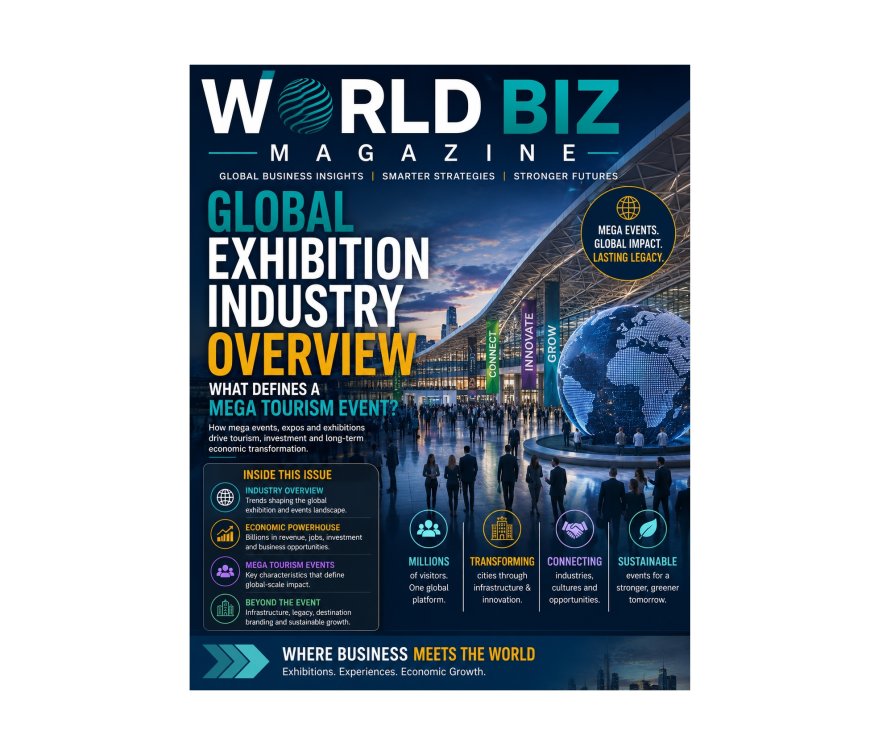
Global Exhibition Industry Overview
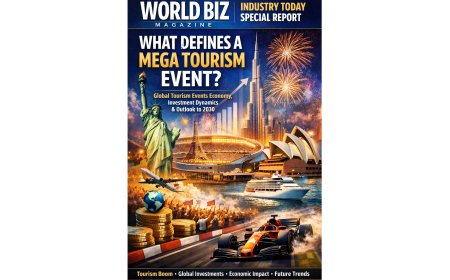
What Defines a Mega Tourism Event?
World Biz Magazine | Travel, Tourism & Hospitality
The global exhibition industry has become one of the most influential sectors within the international tourism and business landscape. From large-scale trade shows and international expos to cultural festivals, sporting championships, and industry conventions, exhibitions have evolved into powerful economic drivers that attract millions of visitors, generate substantial revenue, and create opportunities for business networking, investment, innovation, and destination promotion.
As countries compete to attract visitors, investors, and global attention, exhibitions have emerged as strategic platforms that extend far beyond event venues. They stimulate tourism demand, support hospitality businesses, encourage infrastructure development, and strengthen a destination's position in the global marketplace. The industry's growth has been fueled by globalization, international trade, technological advancement, and increasing demand for face-to-face engagement despite the rise of digital communication platforms.
Within this rapidly expanding landscape, certain exhibitions and events achieve a scale and impact that classify them as mega tourism events. These events attract international audiences, generate worldwide media attention, and produce long-term economic and developmental benefits that extend well beyond the duration of the event itself.
Understanding the Global Exhibition Industry
The exhibition industry encompasses trade fairs, business expos, consumer exhibitions, conventions, conferences, cultural events, and international showcases designed to bring together participants from specific industries, markets, or interest groups.
Exhibitions serve multiple purposes, including product launches, business networking, market expansion, knowledge sharing, investment promotion, and destination marketing. For many industries, exhibitions remain among the most effective platforms for generating leads, establishing partnerships, and showcasing innovations to a global audience.
The industry supports a vast ecosystem that includes event organizers, venue operators, tourism boards, hotels, airlines, transportation providers, technology companies, marketing agencies, and local businesses. As a result, exhibitions contribute significantly to local and national economies through direct spending and indirect economic activity.
What Defines a Mega Tourism Event?
A mega tourism event is a large-scale gathering that attracts substantial international participation, generates significant media coverage, and creates measurable economic, social, and infrastructural impacts on a host destination.
Unlike traditional events that primarily serve local or regional audiences, mega tourism events influence tourism patterns on a national or global level. They often require extensive planning, major investments, and collaboration between governments, private sector stakeholders, and international organizations.
Examples include international expos, Olympic Games, FIFA World Cup tournaments, major cultural festivals, global trade exhibitions, and large-scale religious gatherings.
What distinguishes these events is not merely their size but their ability to create lasting benefits for destinations, industries, and communities.
Key Characteristics of Mega Tourism Events
Massive Attendance and International Reach
Mega tourism events attract visitors from numerous countries and regions, creating substantial demand for accommodation, transportation, dining, entertainment, and tourism services.
Many such events welcome hundreds of thousands or even millions of attendees, generating economic activity that extends throughout the local economy.
Global Media Visibility
One of the defining features of a mega tourism event is extensive international media coverage.
Through television broadcasts, digital platforms, social media, and news outlets, host destinations gain exposure to global audiences numbering in the millions or billions. This visibility strengthens destination branding and can influence future tourism demand.
Significant Economic Impact
Mega events contribute to economic growth through visitor spending, business transactions, sponsorships, infrastructure projects, and employment opportunities.
The financial benefits often extend beyond tourism, supporting sectors such as construction, retail, logistics, technology, and professional services.
Infrastructure Development
Governments frequently use mega events as catalysts for infrastructure investment.
Projects may include airport expansions, transportation networks, convention centers, hotels, public spaces, digital infrastructure, and urban regeneration initiatives designed to support both the event and future development goals.
Long-Term Legacy
The most successful mega tourism events leave lasting economic and social benefits.
These may include increased tourism arrivals, improved infrastructure, stronger international recognition, enhanced investment opportunities, and sustainable urban development.
The Economic Importance of the Exhibition Industry
The exhibition industry plays a crucial role in facilitating global commerce and tourism.
Major exhibitions generate revenue through:
- Venue rentals
- Sponsorship agreements
- Visitor spending
- Accommodation bookings
- Transportation services
- Food and beverage sales
- Business transactions
- Marketing partnerships
Beyond immediate financial gains, exhibitions contribute to knowledge transfer, innovation adoption, and international collaboration, making them important engines of economic development.
For many destinations, exhibitions have become key components of economic diversification strategies aimed at attracting high-value visitors and investment.
Major Types of Exhibition-Based Mega Tourism Events
International Expos
World expos showcase innovation, technology, culture, sustainability, and economic development.
These events attract global participation from governments, corporations, institutions, and visitors seeking insights into future trends and opportunities.
Trade Exhibitions and Industry Fairs
Large-scale industry exhibitions bring together manufacturers, suppliers, investors, buyers, and professionals from around the world.
Examples include technology expos, automotive exhibitions, aerospace events, healthcare conventions, and energy forums.
Cultural and Entertainment Festivals
Cultural celebrations, arts festivals, and entertainment events often attract international audiences and contribute significantly to tourism growth.
Sporting Events
Major sporting competitions remain among the most impactful forms of mega tourism events due to their enormous global audiences and economic influence.
Challenges Facing the Exhibition Industry
Despite its growth and importance, the exhibition industry faces several challenges.
Rising Operational Costs
Venue management, technology integration, security, logistics, and staffing requirements continue to increase.
Sustainability Expectations
Stakeholders increasingly demand environmentally responsible event planning, waste reduction initiatives, and carbon-neutral operations.
Digital Competition
Virtual events and hybrid experiences have introduced new forms of competition while simultaneously creating opportunities for broader audience engagement.
Economic Uncertainty
Global economic fluctuations can impact corporate budgets, sponsorship spending, and visitor participation levels.
Health and Security Concerns
Large-scale events require comprehensive risk management strategies to ensure participant safety and operational continuity.
The Future of Mega Tourism Events and Exhibitions
The future of the exhibition industry will be shaped by technological innovation, sustainability initiatives, and changing visitor expectations.
Emerging trends include:
- Hybrid event models
- Artificial intelligence integration
- Smart venue technologies
- Data-driven visitor experiences
- Sustainable event management
- Digital networking platforms
- Enhanced personalization
- Carbon reduction strategies
Destinations that successfully combine innovation with sustainability are expected to gain a competitive advantage in attracting future mega tourism events and international exhibitions.
World Biz Magazine Insights
The exhibition industry is increasingly becoming a strategic pillar of tourism-led economic development. The world's leading destinations no longer view exhibitions solely as events but as catalysts for investment attraction, destination branding, infrastructure modernization, and global business engagement. As international competition intensifies, the ability to host large-scale exhibitions and transform them into long-term economic opportunities will become a defining factor in a destination's global competitiveness and tourism success.
Conclusion
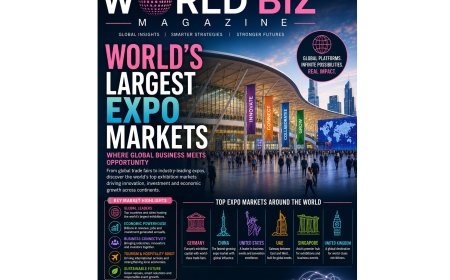
The global exhibition industry has evolved into a powerful force shaping tourism, business, investment, and economic development worldwide. Mega tourism events represent the highest level of this influence, attracting international audiences, generating substantial economic activity, and creating lasting legacies for host destinations.
As governments, tourism authorities, and private sector stakeholders seek new avenues for growth, exhibitions and mega events will continue to serve as essential platforms for connecting people, promoting innovation, stimulating investment, and driving sustainable development. Their significance extends far beyond the event itself, making them critical components of the modern global economy.
Disclaimer
This article is published for informational, educational, and industry analysis purposes only. Market conditions, tourism performance, visitor trends, economic impacts, and exhibition industry developments may vary based on geographic, economic, regulatory, and operational factors. Readers should consult official industry reports, exhibition organizers, tourism authorities, and professional advisors before making business, investment, or strategic decisions.
What's Your Reaction?
 Like
0
Like
0
 Dislike
0
Dislike
0
 Love
0
Love
0
 Funny
0
Funny
0
 Angry
0
Angry
0
 Sad
0
Sad
0
 Wow
0
Wow
0