
















































































































Intercity Bus Market Analysis: Growth Trends, Industry Economics, and the Future of Regional Mobility
Understand the economics of intercity bus services and their growing role in supporting mobility, tourism, and regional development.

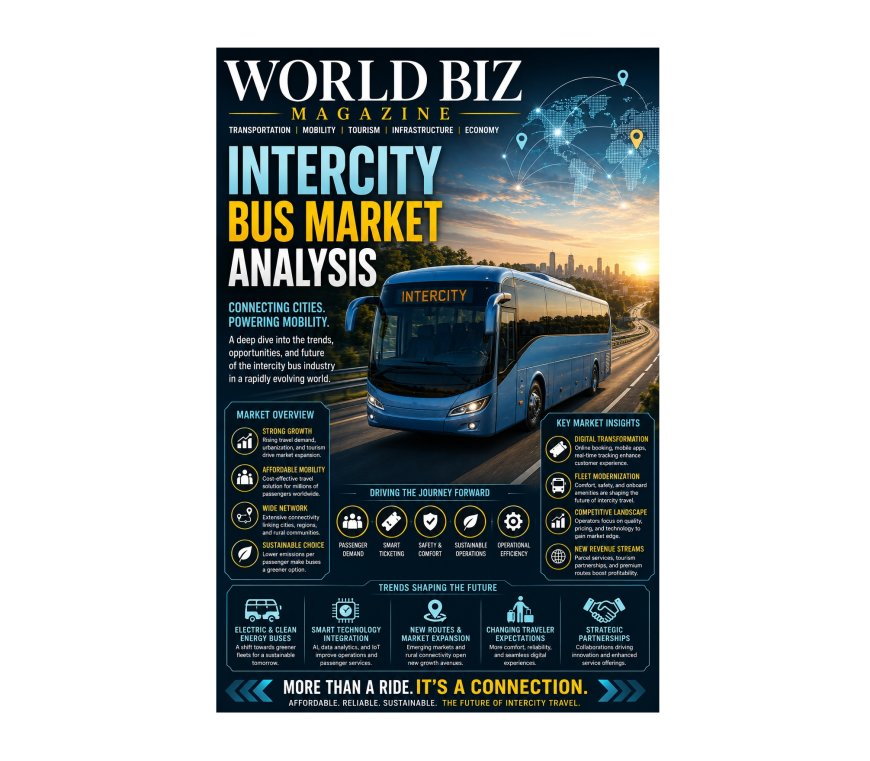
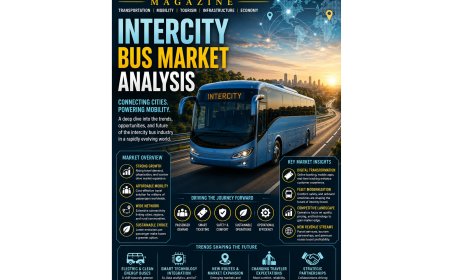
Intercity Bus Market Analysis
How Long-Distance Bus Networks Continue to Connect Cities, Support Economic Mobility, and Compete in an Evolving Transportation Landscape
World Biz Magazine | Transportation, Mobility & Infrastructure
The intercity bus industry remains one of the most important yet often overlooked components of the global transportation ecosystem. While high-speed rail, aviation, and private vehicle ownership frequently dominate transportation discussions, intercity bus services continue to provide affordable, flexible, and accessible mobility solutions for millions of passengers worldwide. Connecting major metropolitan areas, regional centers, rural communities, and cross-border destinations, intercity buses play a critical role in supporting economic activity, tourism, labor mobility, and social inclusion.
Over the past decade, the market has undergone significant transformation. Technological innovation, digital ticketing platforms, changing consumer preferences, sustainability initiatives, and growing demand for cost-effective transportation have reshaped the competitive landscape. Modern intercity bus operators increasingly position themselves as technology-enabled mobility providers rather than traditional transportation companies.
As governments invest in transportation infrastructure and travelers seek affordable alternatives to air and rail travel, the intercity bus sector continues to evolve. Understanding the market dynamics, growth drivers, competitive pressures, and future opportunities within this industry is essential for investors, transportation operators, policymakers, and infrastructure stakeholders.
This article examines the structure of the global intercity bus market, key trends influencing growth, economic impacts, operational challenges, and the future outlook for one of the world's most accessible transportation sectors.
Understanding the Intercity Bus Market
Intercity bus transportation refers to scheduled passenger services operating between cities, regions, and metropolitan areas.
Unlike urban transit systems designed for local mobility, intercity buses focus on medium- and long-distance travel.
Typical services include:
- City-to-city transportation
- Regional connectivity
- Airport transfers
- Cross-border travel
- Tourism routes
- Long-distance passenger transportation
The industry serves diverse customer segments ranging from daily commuters and students to tourists and business travelers.
Its affordability and network flexibility make it one of the most widely used transportation modes globally.
The Economic Role of Intercity Buses
Intercity buses contribute significantly to economic development.
The sector supports:
- Labor mobility
- Tourism growth
- Regional integration
- Rural connectivity
- Consumer accessibility
Affordable transportation enables workers to access employment opportunities, students to reach educational institutions, and businesses to connect with broader markets.
In many developing regions, intercity buses remain the primary form of long-distance passenger transportation.
The industry's economic impact extends beyond transportation itself, influencing hospitality, retail, tourism, and local business activity.
Global Market Size and Growth Drivers
The intercity bus market continues to expand due to several structural factors.
Key growth drivers include:
Population Growth
Increasing populations create greater transportation demand.
Urbanization
Expanding metropolitan areas generate stronger regional connectivity requirements.
Rising Travel Demand
Economic development supports higher passenger volumes.
Cost-Conscious Consumers
Many travelers seek affordable alternatives to air and rail transportation.
Tourism Expansion
Domestic and regional tourism continue supporting intercity passenger flows.
These factors contribute to long-term market resilience despite competition from other transportation modes.
Competitive Positioning Within the Transportation Sector
The intercity bus industry competes with several alternative transportation options.
These include:
- Airlines
- Railways
- Private vehicles
- Ride-hailing platforms
- Car-sharing services
Despite intense competition, buses maintain several advantages.
Affordability
Bus travel is often significantly less expensive than air or rail transportation.
Network Coverage
Bus routes can serve locations not accessible by airports or rail stations.
Operational Flexibility
Operators can adjust routes and schedules more easily than fixed-infrastructure transportation systems.
Accessibility
Passengers benefit from extensive route networks and lower entry barriers.
These advantages help maintain strong market relevance.
Passenger Demographics and Demand Patterns
The customer base for intercity bus services is highly diverse.
Key passenger segments include:
Students
Students often prioritize affordability and network accessibility.
Workers and Commuters
Intercity routes support labor mobility across regional markets.
Tourists
Domestic and international travelers frequently utilize bus services for sightseeing and destination access.
Budget-Conscious Travelers
Many passengers choose buses as a cost-effective alternative to other transportation modes.
Rural Communities
Intercity buses often provide essential transportation links for underserved regions.
Understanding passenger demographics helps operators optimize service offerings and pricing strategies.
Business Models in the Intercity Bus Industry
Operators utilize various business models depending on market conditions and regulatory environments.
Scheduled Services
Fixed routes and timetables remain the industry's most common operating model.
Premium Coach Services
Some operators target higher-income travelers through enhanced comfort and onboard amenities.
Low-Cost Models
Budget-focused operators emphasize affordability and high vehicle utilization.
Tourism-Oriented Services
Specialized routes serve major tourism destinations and attractions.
Cross-Border Transportation
International routes support regional mobility and tourism growth.
Business model diversification helps operators address varying customer needs.
Technology and Digital Transformation
Digital innovation is reshaping the intercity bus sector.
Major developments include:
Online Booking Platforms
Passengers increasingly purchase tickets through websites and mobile applications.
Dynamic Pricing Systems
Operators use data analytics to optimize fares based on demand patterns.
Real-Time Tracking
Passengers receive accurate service updates and arrival information.
Fleet Management Systems
Technology improves operational efficiency and vehicle utilization.
Customer Experience Platforms
Digital tools enhance engagement and service quality.
Technology adoption is becoming essential for competitiveness.
Fleet Modernization and Passenger Experience
Modern operators are investing heavily in fleet upgrades.
Passenger expectations continue evolving.
Popular enhancements include:
- Comfortable seating
- Wi-Fi connectivity
- Charging ports
- Entertainment systems
- Improved accessibility features
- Enhanced safety technologies
Fleet modernization helps attract new customer segments and improve service quality.
Sustainability and Environmental Impact
Environmental concerns are influencing transportation decisions worldwide.
Intercity buses offer several sustainability advantages.
These include:
Lower Emissions Per Passenger
Shared transportation reduces environmental impact compared to private vehicle use.
Fuel Efficiency
Modern buses can transport large numbers of passengers efficiently.
Reduced Congestion
Public transportation reduces overall road traffic volumes.
Fleet Electrification
Electric and alternative-fuel buses are increasingly entering the market.
Sustainability initiatives are becoming important competitive differentiators.
Infrastructure and Network Development
Industry growth depends heavily on transportation infrastructure.
Key components include:
- Bus terminals
- Highway networks
- Passenger facilities
- Digital infrastructure
- Maintenance depots
Governments and private operators continue investing in transportation infrastructure to support future growth.
Improved infrastructure enhances service reliability and customer experiences.
The Impact of E-Commerce and Logistics
While passenger transportation remains the primary focus, many operators are exploring additional revenue opportunities.
These include:
- Parcel transportation
- Express cargo services
- E-commerce logistics partnerships
Utilizing unused vehicle capacity can improve profitability and asset utilization.
This trend is creating new business opportunities within the sector.
Challenges Facing the Industry
Despite positive growth prospects, several challenges remain.
Fuel Cost Volatility
Fuel expenses significantly influence operating costs.
Driver Shortages
Many markets face workforce availability challenges.
Regulatory Compliance
Transportation regulations continue evolving.
Competition from Alternative Modes
Rail and aviation infrastructure improvements may affect passenger demand.
Infrastructure Constraints
Congestion and aging facilities can reduce operational efficiency.
Addressing these challenges remains essential for long-term sustainability.
Emerging Trends Shaping the Future
Several trends are expected to influence future market development.
These include:
- Electric bus adoption
- AI-powered route optimization
- Mobility-as-a-Service (MaaS)
- Smart ticketing systems
- Connected transportation platforms
- Sustainable transportation policies
- Premium coach services
- Digital customer engagement
These innovations are likely to reshape industry economics and customer experiences.
Investment Opportunities
The intercity bus market continues attracting investment interest.
Growth opportunities exist across:
- Fleet modernization
- Transportation technology
- Digital booking platforms
- Charging infrastructure
- Smart mobility solutions
- Terminal development
As transportation systems become increasingly integrated and technology-driven, investment activity is expected to accelerate.
World Biz Magazine Insights
The intercity bus industry occupies a unique position within the global transportation landscape. Its ability to provide affordable, flexible, and geographically extensive transportation services ensures continued relevance despite growing competition from air and rail travel. The industry's future will be defined by its ability to embrace digital transformation, improve customer experiences, enhance sustainability, and integrate into broader smart mobility ecosystems. Operators that successfully modernize their fleets, leverage technology, and adapt to evolving traveler expectations will be well positioned to capture future growth opportunities.
Conclusion
Intercity bus transportation remains a vital component of regional and national mobility systems worldwide. By connecting cities, supporting labor markets, enabling tourism, and providing affordable transportation options, the industry contributes significantly to economic development and social inclusion.
Technological innovation, sustainability initiatives, and changing consumer expectations are transforming the sector, creating both opportunities and challenges for operators. As governments prioritize transportation accessibility and environmental performance, intercity bus services are expected to remain an important mobility solution for decades to come.
For investors, policymakers, transportation companies, and infrastructure developers, understanding the evolving dynamics of the intercity bus market is essential for identifying future opportunities in one of the world's most accessible and adaptable transportation sectors.
Disclaimer
This article is published for informational, educational, and industry analysis purposes only and does not constitute financial, investment, legal, transportation, infrastructure, or professional advice. Market conditions, regulatory frameworks, transportation policies, and industry performance vary across countries and regions. Readers should consult qualified professionals before making investment, operational, infrastructure, or strategic decisions related to transportation services or mobility projects.
What's Your Reaction?
 Like
0
Like
0
 Dislike
0
Dislike
0
 Love
0
Love
0
 Funny
0
Funny
0
 Angry
0
Angry
0
 Sad
0
Sad
0
 Wow
0
Wow
0