






















































































Macau Tourism Surges as Asian Travelers Defy Airline Fare Hikes and Oil Market Volatility
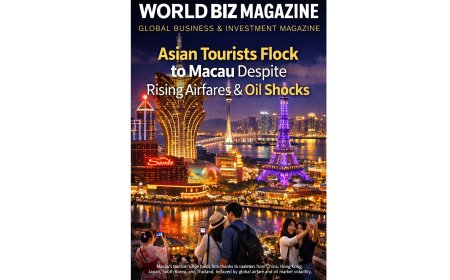
Macau’s tourism industry remains strong as visitors from China, Hong Kong, Japan, Thailand, and South Korea continue to travel despite rising airline prices linked to Middle East oil market volatility.

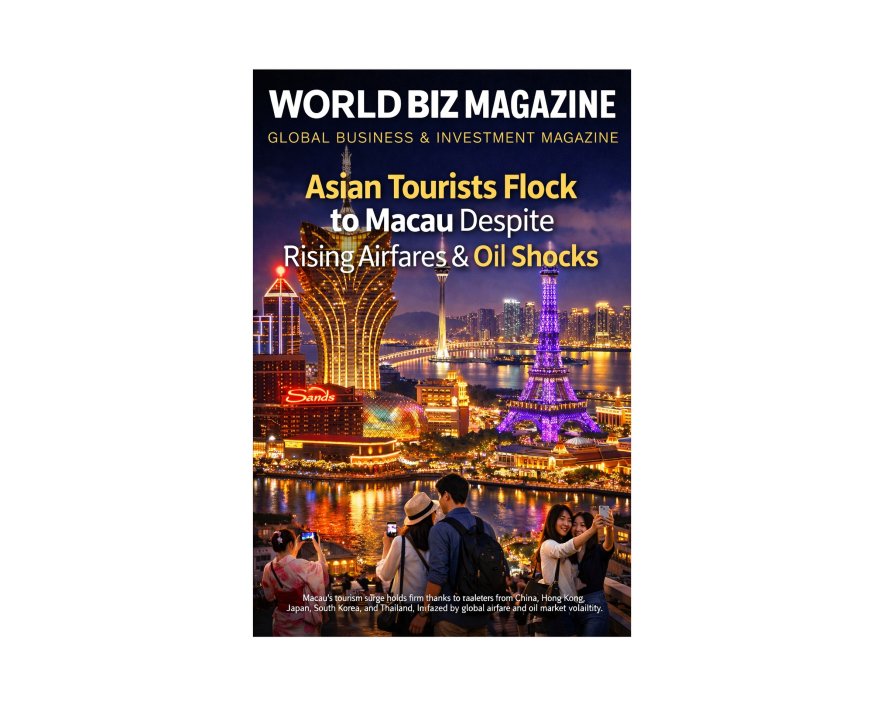
Asia’s Travel Momentum Keeps Macau Thriving Despite Global Energy Market Volatility
World Biz Magazine - Global Business, Finance & Industry Intelligence Platform
In the face of rising aviation costs and global economic uncertainty triggered by fluctuations in the Middle East oil markets, the tourism engine of Macau continues to run at full speed. A surge of regional travelers from China, Hong Kong, Japan, Thailand, and South Korea is sustaining strong visitor numbers, demonstrating the resilience of Asia’s tourism ecosystem even as airline ticket prices climb.
Airlines such as Cathay Pacific and Qantas have implemented fare adjustments amid higher fuel costs, yet regional tourism demand remains robust. Analysts say the continued inflow of travelers highlights Macau’s unique position as Asia’s premier entertainment and gaming destination.
A Regional Tourism Engine
Macau’s tourism sector has evolved dramatically in the past decade. While historically dependent on mainland Chinese visitors, the city has increasingly diversified its tourism base across East and Southeast Asia.
Recent travel data indicates:
- Mainland Chinese tourists remain the largest visitor group.
- Hong Kong travelers continue to visit frequently due to proximity and seamless transport links.
- Japanese and Korean tourists are returning in growing numbers as regional travel fully normalizes.
- Thai visitors represent one of the fastest-growing segments in Southeast Asia.
This diversified regional demand has helped Macau maintain high hotel occupancy rates and steady casino revenues even as global travel conditions fluctuate.
Industry experts say the short-haul nature of most Asian travel routes also helps offset the impact of rising airfares.
“When flight durations are short, travelers are less sensitive to price increases,” explains a regional tourism analyst. “A two- or three-hour flight still makes Macau an attractive weekend destination.”
Oil Price Volatility and Airline Pricing
The current aviation cost pressures are largely tied to instability in the global energy market. Tensions and supply concerns in the Middle East have pushed fuel prices upward, forcing airlines worldwide to review pricing structures.
Airlines including Cathay Pacific and Qantas have adjusted fares on several routes to compensate for increased operating costs. Aviation fuel typically represents 20-30% of airline operating expenses, meaning even modest oil price movements can significantly affect ticket pricing.
However, in Asia’s densely connected aviation network, competitive pressure among airlines continues to keep fares relatively accessible.
Budget carriers and regional airlines also provide alternative travel options, preventing dramatic spikes in travel costs for most passengers.
Macau’s Integrated Resort Model
Macau’s success lies not only in gaming but also in its integrated resort strategy. Over the past decade, billions of dollars have been invested into large-scale entertainment complexes combining:
- Luxury hotels
- Casinos
- Convention centers
- Retail malls
- Live entertainment venues
- Michelin-star restaurants
Major integrated resorts have transformed the city into a comprehensive leisure and entertainment destination.
As a result, Macau increasingly attracts visitors seeking experiential tourism, not just gambling.
Families, young travelers, and international tourists now visit for:
- concerts and performances
- international sporting events
- luxury shopping
- culinary tourism
This diversified offering strengthens Macau’s resilience against economic shocks.
Regional Connectivity Boosts Tourism
Macau benefits from one of Asia’s most advanced regional transportation networks.
Key infrastructure supporting tourism includes:
- The Hong Kong-Zhuhai-Macau Bridge, reducing travel time across the Pearl River Delta.
- High-speed ferry connections linking Macau and Hong Kong.
- Expanding air routes connecting Macau International Airport to major Asian cities.
These transport links allow millions of travelers to reach the city within just a few hours.
The Pearl River Delta region itself one of the world’s largest economic zones provides a massive nearby consumer base for Macau’s tourism economy.
Asian Middle-Class Travel Boom
The continuing growth of Asia’s middle class is another major driver of tourism demand.
Rising disposable incomes across China, South Korea, Japan, and Southeast Asia have created a large population eager to travel internationally within the region.
Weekend getaways and short luxury trips are becoming increasingly common, with Macau benefiting from its reputation for high-end hospitality and entertainment.
Tourism economists estimate that Asia will account for more than half of global travel growth over the next decade, making regional destinations like Macau strategically important in the global tourism landscape.
Outlook: Resilience in a Changing Global Market
Despite airline fare increases and global economic uncertainty, Macau’s tourism industry appears well positioned for continued growth.
Key strengths include:
- strong regional visitor demand
- diversified entertainment offerings
- integrated resort infrastructure
- excellent transport connectivity
As global energy markets remain unpredictable, the travel industry will continue adapting through pricing adjustments and operational efficiencies.
Yet Macau’s sustained tourism momentum suggests that regional travel demand in Asia is strong enough to absorb moderate economic shocks.
For investors, tourism operators, and policymakers, Macau offers a clear case study: when infrastructure, entertainment, and regional connectivity align, tourism economies can remain vibrant even during periods of global uncertainty.
World Biz Magazine Insights
According to analysis by World Biz Magazine, several structural trends are reinforcing Macau’s long-term tourism outlook:
1. Asia’s Regional Travel Dominance
More than half of global tourism growth over the next decade is expected to originate from Asia-Pacific markets, creating sustained demand for short-haul travel destinations.
2. Integrated Resort Strategy
Macau’s model of combining casinos, luxury hotels, retail, and entertainment under one destination continues to attract diverse traveler segments beyond traditional gaming tourism.
3. Aviation Market Adaptability
Despite fare adjustments by major airlines such as Cathay Pacific and Qantas, Asia’s competitive aviation market and short-haul routes are helping stabilize travel demand.
4. Tourism Diversification
Macau is gradually expanding its identity from a gaming-centric city to a broader entertainment and lifestyle destination featuring concerts, exhibitions, sporting events, and international conferences.
5. Strategic Regional Connectivity
Infrastructure projects linking the Greater Bay Area including the economic integration of southern China with Hong Kong and Macau will further boost tourism flows and investment opportunities.
Bottom Line:
Even amid global economic uncertainty, Macau’s tourism sector highlights the strength of Asia’s regional travel ecosystem where proximity, infrastructure, and rising consumer spending power continue to drive resilient growth.
Conclusion
Macau’s continued tourism momentum illustrates the resilience of Asia’s regional travel economy in the face of global volatility. While airline fare adjustments driven by fluctuations in oil markets and operational costs have affected ticket prices, demand from nearby Asian economies remains strong.
Travelers from China, Hong Kong, Japan, Thailand, and South Korea continue to view Macau as a premier destination for entertainment, gaming, luxury hospitality, and short-haul leisure travel.
The city’s integrated resort ecosystem, world-class entertainment venues, and strategic location within the Pearl River Delta economic corridor ensure that Macau remains one of the most dynamic tourism hubs in Asia. Even amid global energy market disruptions originating in the Middle East, Macau’s visitor economy demonstrates that strong regional connectivity and consumer demand can offset global headwinds.
As Asia’s middle class continues expanding and regional travel infrastructure improves, Macau is positioned to maintain steady growth as a leading entertainment tourism destination.
Disclaimer
This article is for informational and editorial purposes only. Economic data, travel costs, and investment insights are based on publicly available information and industry observations. Figures may vary depending on market conditions, seasonality, and policy changes. Readers should conduct independent financial or travel planning research before making investment or travel decisions.
What's Your Reaction?
 Like
0
Like
0
 Dislike
0
Dislike
0
 Love
0
Love
0
 Funny
0
Funny
0
 Angry
0
Angry
0
 Sad
0
Sad
0
 Wow
0
Wow
0