






















































































Egypt’s Strategic Rise: A New Investment Hub Amid Middle East Tensions
A detailed World Biz Magazine analysis of Egypt’s economy, investment climate, and role in global capital shifts during geopolitical instability

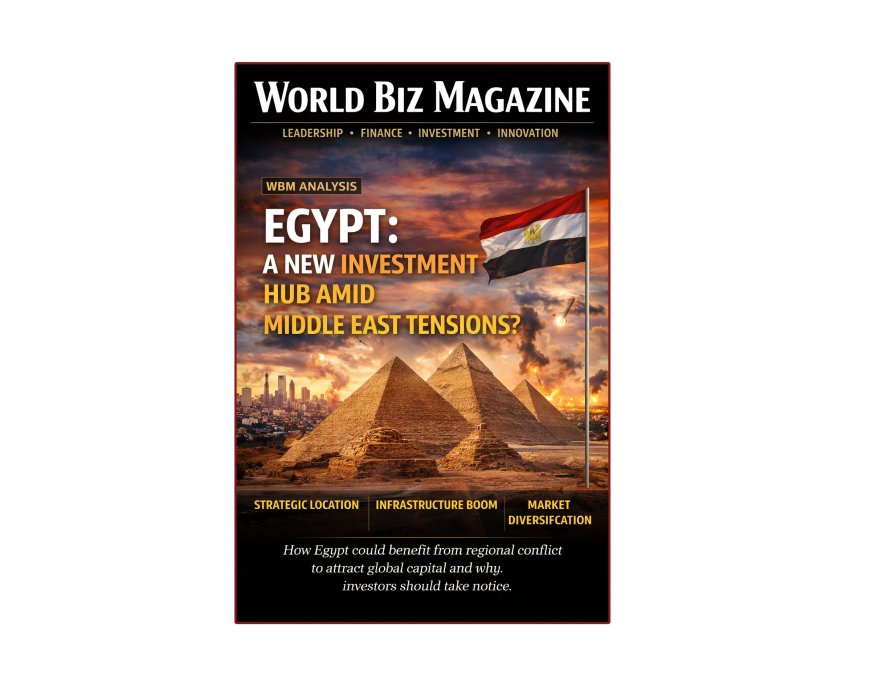
Egypt: A Strategic Investment Gateway in a Shifting Middle East
How Egypt Can Benefit from Regional Conflict & Position Itself as a Capital Magnet
World Biz Magazine | Global Investment, Geopolitics & Emerging Markets Intelligence
As geopolitical tensions intensify across the Middle East particularly involving Iran and Gulf economies such as United Arab Emirates, Saudi Arabia, and Qatar global capital is entering a phase of strategic redistribution.
While traditional hubs like Dubai and Riyadh may face short-term uncertainty, Egypt is emerging as a high-potential regional beneficiary, offering scale, affordability, and deep structural opportunity.
This World Biz Magazine analysis explores how Egypt can capitalize on geopolitical disruption, what policy actions are required, and why investors are increasingly turning toward Cairo and beyond.
Egypt’s Strategic Advantage in a Conflict Scenario
Geographic Power: Gateway Between Continents
Egypt sits at one of the most critical global crossroads:
- Connects Africa, Middle East, and Europe
- Controls the Suez Canal, a key artery for global trade
- Serves as a natural logistics and transit hub
In a Middle East conflict:
- Gulf routes may face risk
- Trade and logistics shift toward stable corridors
Egypt becomes a strategic alternative gateway for global commerce
Mega Development Engine
Egypt is currently undergoing one of the largest urban expansion programs globally, including:
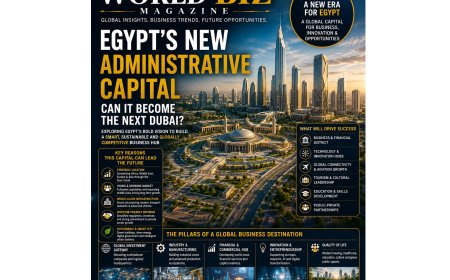
- New Administrative Capital
- New Cairo developments
- North Coast mega tourism projects
These projects offer:
- Large-scale investment opportunities
- Entry points for both institutional and retail investors
Unlike saturated markets, Egypt provides room for expansion at scale
Cost Advantage: Affordable Entry with High Upside
Compared to Gulf markets:
- Property prices are significantly lower
- Development costs are competitive
- Labor is cost-efficient
This attracts:
- Mid-tier investors
- Developers seeking high-margin opportunities
Egypt becomes a value-driven investment destination
Investment Environment & Policies
Business & Investment Climate
Egypt has implemented multiple reforms to attract foreign investment:
- Investment Law No. 72 (incentives for foreign investors)
- Tax reductions and exemptions in key sectors
- Simplified licensing processes
Government focus:
- Increase FDI
- Promote private sector growth
- Reduce bureaucratic barriers
Special Economic Zones (SEZs)
Egypt has established zones offering:
- Tax incentives
- Customs exemptions
- Infrastructure support
Key areas:
- Suez Canal Economic Zone
- Industrial and logistics hubs
These zones are designed to attract:
- Manufacturing
- Logistics
- Export-driven businesses
Ease of Doing Business
Egypt has made improvements in:
- Business registration
- Construction permits
- Digital government services
While still developing, the direction is pro-investment
Why Investors Should Consider Egypt
Large Domestic Market
- Population of 100+ million
- Growing middle class
Provides:
- Strong demand base
- Long-term consumption growth
Real Estate Growth Potential
- Rapid urbanization
- Government-backed housing projects
Key hotspots:
- New Cairo
- New Administrative Capital
- North Coast
Real estate offers high appreciation potential
Strategic Diversification
Investors exiting Gulf markets can:
- Reallocate capital into Egypt
- Maintain regional exposure
Egypt becomes a balanced risk alternative
Infrastructure Expansion
Major investments in:
- Roads
- Ports
- Energy
- Smart cities
Supports long-term economic growth
Political & Economic Landscape
Egypt maintains:
- Strong centralized governance
- Policy continuity
- Strategic alliances with Gulf and Western economies
This creates:
- Stability (relative to conflict zones)
- Predictability for investors
Challenges & Risks
Currency Volatility
- Egyptian pound fluctuations
- Inflation pressures
Impacts investor returns
Bureaucracy & Regulation
- Administrative delays
- Complex procedures in some sectors
Economic Pressure
- Debt levels
- Dependence on external financing
Governance Concerns
- Transparency issues
- Regulatory unpredictability
War-Related Risks for Egypt
Even as a beneficiary, Egypt faces:
Regional Spillover
- Proximity to Middle East tensions
Trade Disruption Risk
- Suez Canal exposure
Tourism Impact
- Perception of regional instability
Strategic Steps Egypt Must Take
Position as Regional Safe Investment Hub
- Promote stability and neutrality
- Strengthen global investor confidence
Accelerate Economic Reforms
- Reduce bureaucracy
- Improve regulatory transparency
Stabilize Currency & Inflation
- Strengthen monetary policy
- Build investor trust
Expand Investor Incentives
- Tax holidays
- Fast-track approvals
- Land allocation for projects
Strengthen Legal Framework
- Protect foreign investors
- Improve dispute resolution
Future Outlook
Short-Term (0-2 Years)
- Increased investor interest
- Growth in real estate and infrastructure
Medium-Term (3-5 Years)
- Expansion of industrial and logistics sectors
- Stronger FDI inflows
Long-Term (5-10 Years)
- Egypt could emerge as:
- A regional economic powerhouse
- A logistics and trade hub
- A real estate investment leader
Strategic Insight
Modern investors will not abandon the region they will redistribute capital intelligently.
Egypt fits perfectly as:
- A high-growth emerging market
- A regional diversification play
- A long-term infrastructure investment hub
World Biz Magazine Insight
“Egypt’s strength lies not in replacing the Gulf, but in complementing it. In times of uncertainty, scale, affordability, and strategic geography become the ultimate competitive advantages.”
Final Conclusion
In a Middle East conflict scenario:
Egypt’s Position:
- A top-tier regional beneficiary
Strengths:
- Strategic location
- Mega projects
- Large market
Risks:
- Currency volatility
- Regulatory challenges
Bottom Line:
Egypt represents a high-potential, growth-driven investment destination, particularly for investors seeking long-term value and regional diversification.
Disclaimer:
This publication by World Biz Magazine is intended for informational, analytical, and educational purposes only. The content reflects current geopolitical and economic conditions, which are subject to rapid change and uncertainty. The analysis presented does not constitute financial, investment, legal, or professional advice.
Readers are strongly advised to conduct independent research and consult with licensed financial advisors, legal professionals, or investment consultants before making any investment decisions. While every effort has been made to ensure accuracy, World Biz Magazine does not guarantee the completeness, reliability, or future outcomes of any data, forecasts, or opinions expressed.
World Biz Magazine shall not be held liable for any direct or indirect losses resulting from the use of this information. Investments in emerging markets involve inherent risks, including political instability, currency fluctuations, regulatory changes, and market volatility.
What's Your Reaction?
 Like
0
Like
0
 Dislike
0
Dislike
0
 Love
0
Love
0
 Funny
0
Funny
0
 Angry
0
Angry
0
 Sad
0
Sad
0
 Wow
0
Wow
0