






















































































































































How China and Hong Kong Are Leading the Smart Mobility Revolution
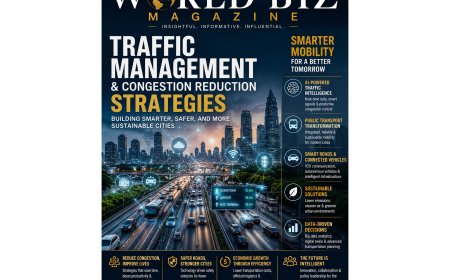
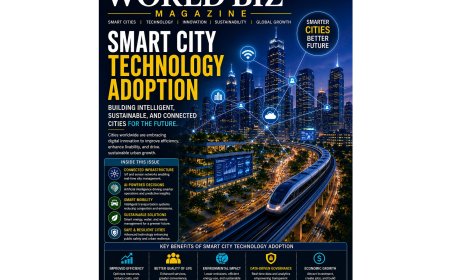
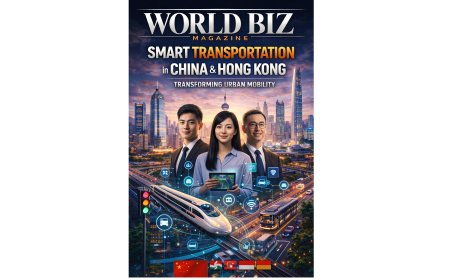
China and Hong Kong are leading the global smart mobility revolution. Explore how cities like Beijing, Shanghai, Shenzhen, and Hong Kong are transforming transportation with AI-powered traffic systems.

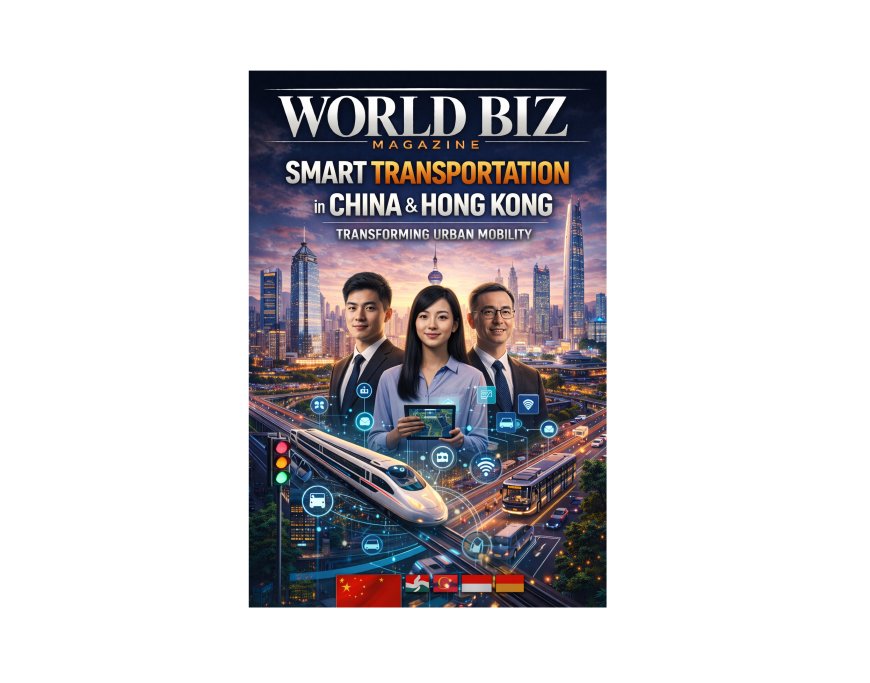
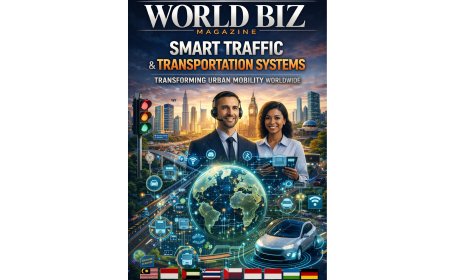
Smart Traffic & Transportation Systems: Transforming Urban Mobility in China and Hong Kong
World Biz Magazine | Global Business, Infrastructure, and Technology Insights
“World Biz Magazine delivers in-depth coverage of global industries, infrastructure development, emerging technologies, and economic trends shaping the future of cities and business worldwide”.
China has emerged as one of the world’s leading innovators in smart traffic and transportation systems, driven by rapid urbanization, technological advancement, and strong government investment in digital infrastructure. With hundreds of rapidly expanding cities and some of the largest urban populations globally, China has embraced intelligent transportation systems to manage congestion, improve safety, and enhance urban mobility.
Cities such as Beijing, Shanghai, Shenzhen, Guangzhou, Hangzhou, Chongqing, and Chengdu are implementing advanced smart traffic solutions powered by artificial intelligence, big data, 5G connectivity, and integrated urban mobility platforms. Meanwhile, Hong Kong, one of Asia’s most sophisticated transportation hubs, continues to lead in digital mobility management and public transit efficiency.
Together, mainland Chinese cities and Hong Kong represent one of the most advanced ecosystems for smart transportation innovation, influencing how cities worldwide approach urban mobility.
The Rise of Smart Transportation in China
China’s urban population has expanded dramatically over the past two decades, creating major transportation challenges. To address congestion and environmental concerns, the government has invested heavily in Intelligent Transportation Systems (ITS).
Key technologies used across Chinese cities include:
· AI-powered traffic signal management
· real-time traffic monitoring systems
· smart public transportation networks
· autonomous vehicle testing platforms
· smart parking systems
· electric vehicle infrastructure
· integrated digital mobility apps
China’s approach combines centralized urban planning with advanced technology platforms, enabling cities to monitor and optimize traffic flows in real time.
Beijing: AI-Driven Traffic Management
As China’s capital and one of the world’s largest cities, Beijing faces significant traffic congestion challenges. To manage this complexity, the city has implemented extensive smart traffic technologies.
Key initiatives include:
· AI-based traffic signal optimization
· large-scale surveillance and traffic monitoring systems
· intelligent highway management
· smart parking systems
Beijing uses big data analytics and AI algorithms to adjust traffic lights dynamically based on real-time traffic conditions. This helps reduce congestion and improve traffic flow in busy urban corridors.
Shanghai: Smart Mega-City Mobility
Shanghai, China’s financial center, is one of the most technologically advanced cities in the world. The city has implemented integrated smart mobility solutions across its transportation infrastructure.
Major developments include:
· one of the world’s largest metro networks
· AI-powered traffic management systems
· smart toll and highway systems
· integrated digital transportation platforms
Shanghai also leads in electric vehicle adoption and charging infrastructure, supporting China’s transition toward sustainable mobility.
Shenzhen: Innovation Hub for Smart Mobility
Shenzhen is widely considered one of China’s most innovative technology cities. The city has become a global leader in electric and smart transportation systems.
Notable achievements include:
· one of the world’s first fully electric bus fleets
· large-scale electric taxi networks
· smart traffic monitoring systems
· integrated digital transportation platforms
Shenzhen’s approach combines smart city technology with clean energy transportation, making it a model for sustainable urban mobility.
Guangzhou: Intelligent Transportation Networks
Guangzhou, one of southern China’s largest cities, has implemented a variety of intelligent transportation solutions.
These include:
· AI-based traffic management centers
· intelligent traffic signal systems
· smart logistics and freight monitoring
· integrated metro and bus systems
The city continues to invest in data-driven traffic management systems to improve transportation efficiency.
Hangzhou: Smart City Transportation Powered by Technology
Hangzhou, home to major technology companies, has pioneered smart city transportation initiatives using big data and artificial intelligence.
The city’s transportation systems include:
· cloud-based traffic monitoring
· AI-powered traffic prediction models
· smart parking systems
· integrated ride-hailing and public transport platforms
These systems allow Hangzhou to analyze traffic patterns and optimize traffic flow across the city.
Chongqing: Smart Transportation for Mountain Cities
Chongqing presents unique transportation challenges due to its mountainous terrain and dense population.
The city has adopted smart traffic systems including:
· intelligent traffic signal coordination
· smart urban rail networks
· real-time traffic monitoring platforms
These systems help manage traffic in one of China’s most complex urban environments.
Chengdu: Digital Mobility Expansion
Chengdu has invested heavily in digital mobility infrastructure to support its rapid population growth.
Major initiatives include:
· smart metro expansion
· AI traffic management platforms
· integrated mobility applications
These developments are helping Chengdu improve traffic efficiency and public transportation access.
Hong Kong: One of the World’s Most Efficient Transit Systems
Hong Kong is widely recognized as having one of the most efficient and technologically advanced public transportation systems in the world.
Key features include:
· highly integrated metro system (MTR)
· digital fare payment systems
· smart traffic monitoring networks
· real-time transport information platforms
Hong Kong’s transportation model emphasizes efficient public transit integration, reducing reliance on private vehicles.
The city also uses advanced traffic management systems to optimize traffic flow in its dense urban environment.
China’s Electric Vehicle Revolution
China is also the world’s largest market for electric vehicles, and EV adoption is closely linked with smart transportation development.
Major initiatives include:
· nationwide EV charging infrastructure
· electric buses and taxis
· smart energy integration with transportation networks
Cities such as Shenzhen and Shanghai are leading the transition toward low-emission urban mobility systems.
Benefits of Smart Transportation Systems
Smart traffic systems bring significant benefits for cities and residents.
Reduced Congestion
AI-driven traffic management helps optimize traffic signals and reduce delays.
Improved Public Transportation
Digital mobility platforms integrate buses, metro systems, and ride-hailing services.
Environmental Sustainability
Electric vehicles and efficient traffic management reduce emissions.
Economic Efficiency
Efficient transportation networks support business activity, logistics, and tourism.
Smart Transportation Comparison - Major Chinese Cities
|
City |
Population (Approx.) |
Metro & Rail Network |
Smart Traffic Management |
Electric Mobility |
Digital Mobility Platforms |
Technology Level |
|
Beijing |
22 Million |
One of the world’s largest metro systems |
AI-powered traffic signal optimization and surveillance monitoring |
Growing EV infrastructure |
Integrated city mobility apps |
Very High (9/10) |
|
Shanghai |
25 Million |
World’s largest metro network by length |
Advanced smart traffic monitoring and highway systems |
Extensive EV charging network |
Smart tolls and integrated payment systems |
Very High (9.5/10) |
|
Shenzhen |
17 Million |
Rapidly expanding metro network |
AI-based traffic monitoring |
World’s first fully electric bus fleet and large EV taxi network |
Integrated smart mobility platforms |
Very High (9.5/10) |
|
Hong Kong |
7.5 Million |
Highly efficient MTR metro network |
Advanced traffic monitoring systems |
Expanding EV infrastructure |
Digital transport integration and smart fare systems |
Very High (9/10) |
Key Smart Transportation Technologies
|
Technology |
Implementation |
|
AI Traffic Control |
Used in Beijing, Shanghai, and Shenzhen to dynamically manage traffic signals |
|
Smart Metro Networks |
Large-scale integrated rail systems in Shanghai, Beijing, and Hong Kong |
|
Electric Public Transport |
Shenzhen leads globally with fully electric buses |
|
Smart Toll Systems |
Automated toll and highway monitoring in Shanghai |
|
Integrated Mobility Platforms |
Mobile apps combining metro, bus, taxi, and ride-sharing services |
Smart Mobility Strength Ranking
Tier 1 - Global Smart Mobility Leaders
Shanghai
Shenzhen
Tier 2 - Highly Advanced Smart Cities
Beijing
Hong Kong
Challenges and Future Outlook
Despite major progress, smart transportation systems also face challenges.
Data Privacy and Cybersecurity
Large-scale traffic monitoring systems require strong cybersecurity protections.
Infrastructure Costs
Developing intelligent transportation systems requires major investment.
Urban Population Growth
Rapid urbanization continues to increase demand for transportation infrastructure.
However, China continues to invest heavily in next-generation mobility technologies, including:
· autonomous vehicles
· AI-powered traffic prediction systems
· smart highways
· connected vehicle infrastructure
Key Insight
Chinese mega-cities are among the most advanced urban transportation ecosystems in the world. Their ability to combine AI traffic management, extensive metro networks, electric mobility infrastructure, and digital mobility platforms allows them to handle extremely large populations while maintaining efficient urban mobility systems.
Shanghai and Shenzhen stand out as global leaders due to their large-scale smart infrastructure and electric transportation adoption, while Beijing and Hong Kong maintain some of the most efficient integrated transportation systems globally.
Conclusion
China and Hong Kong are at the forefront of global innovation in smart traffic and transportation systems. By combining artificial intelligence, digital infrastructure, electric mobility, and integrated public transportation networks, these cities are redefining how urban mobility operates in the modern world.
From Beijing’s AI traffic management to Shenzhen’s electric transportation revolution and Hong Kong’s efficient transit network, smart mobility solutions are transforming how millions of people move through cities every day.
As urban populations continue to grow, China’s smart transportation innovations will play a critical role in shaping the future of global urban mobility.
Disclaimer
The information presented in this article is intended for informational and editorial purposes only. Infrastructure development, transportation technologies, and smart mobility policies may vary across regions and may evolve over time.
While every effort has been made to ensure accuracy, readers are encouraged to conduct independent research and consult relevant authorities or experts before making policy, infrastructure, or investment decisions based on the information provided.
World Biz Magazine and its contributors are not responsible for any outcomes resulting from the use of this information.
What's Your Reaction?
 Like
0
Like
0
 Dislike
0
Dislike
0
 Love
0
Love
0
 Funny
0
Funny
0
 Angry
0
Angry
0
 Sad
0
Sad
0
 Wow
0
Wow
0