
















































































































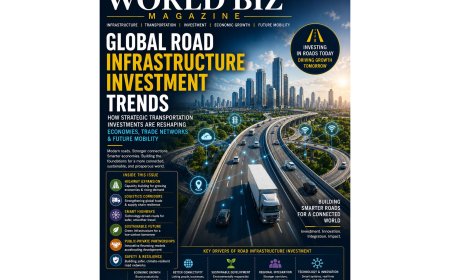















































































Modern Highway Development: Enhancing Connectivity, Logistics, and Economic Growth
National highway development is reshaping transportation networks through smart technologies, sustainability initiatives, and infrastructure modernization.

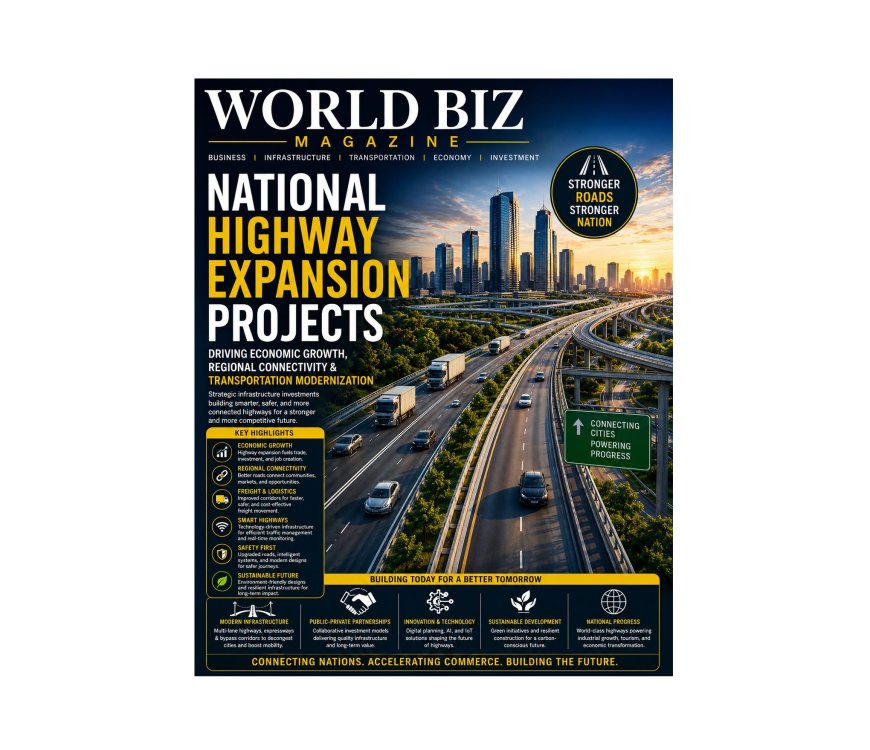
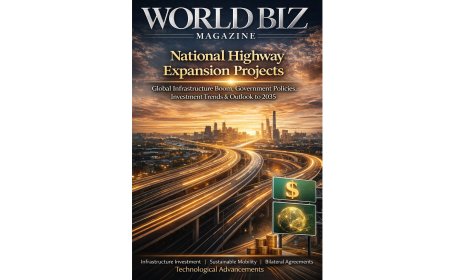
National Highway Expansion Projects
Driving Economic Growth, Regional Connectivity, and Infrastructure Modernization Through Strategic Transportation Investments
World Biz Magazine | Transportation, Infrastructure & Economic Development
As governments worldwide invest in transportation modernization, national highway expansion projects are emerging as critical drivers of economic growth, regional connectivity, trade efficiency, and long-term national competitiveness.
The Strategic Importance of National Highway Networks
Transportation infrastructure has long served as the backbone of economic development. Among the various forms of infrastructure, national highway systems play a particularly vital role by connecting cities, industrial zones, ports, airports, agricultural regions, and commercial centers. As global economies become increasingly interconnected, governments are recognizing that modern highway networks are essential for supporting trade, attracting investment, facilitating mobility, and ensuring sustainable economic growth.
National highway expansion projects are not merely construction initiatives; they are strategic investments that influence productivity, supply chain efficiency, regional development, and national competitiveness. By expanding road capacity, improving connectivity, and reducing transportation bottlenecks, countries can unlock new economic opportunities while improving the movement of people and goods across vast geographic areas.
Rising Demand for Transportation Infrastructure
Rapid urbanization, population growth, industrial expansion, and increasing vehicle ownership are placing unprecedented pressure on existing road networks. Many highway systems developed decades ago are struggling to accommodate modern transportation demands, resulting in congestion, increased travel times, higher logistics costs, and infrastructure deterioration.
Governments worldwide are responding through ambitious highway expansion programs designed to increase capacity, improve road quality, and support future mobility requirements. These projects include new expressways, multi-lane highway upgrades, bypass corridors, freight transportation routes, smart highway systems, and cross-border connectivity initiatives.
As transportation demand continues to grow, highway expansion is becoming an increasingly important component of national infrastructure development strategies.
Economic Benefits of Highway Expansion Projects
One of the most significant advantages of national highway expansion is its ability to stimulate economic growth. Improved transportation infrastructure reduces travel times, lowers transportation costs, increases market accessibility, and enhances business productivity.
Manufacturers benefit from more efficient supply chains, retailers gain faster access to distribution networks, and agricultural producers can transport goods more effectively to domestic and international markets. Improved highways also encourage investment by making regions more accessible and attractive for business development.
Infrastructure spending itself generates substantial economic activity through construction employment, equipment procurement, material sourcing, engineering services, and related industries. In many countries, large-scale highway projects are viewed as powerful economic stimulus tools capable of creating both short-term and long-term economic benefits.
Strengthening National and Regional Connectivity
National highway expansion projects play a crucial role in connecting urban centers with rural communities and emerging economic zones. Improved connectivity enables more balanced regional development by reducing geographic isolation and increasing access to markets, healthcare, education, and employment opportunities.
Rural regions often benefit significantly from new highway corridors that connect producers with major consumption centers. Improved transportation links can stimulate local economies, encourage industrial development, and support tourism growth.
At a regional level, highway expansion strengthens economic integration by facilitating cross-border trade and improving access to neighboring markets. Enhanced connectivity supports broader regional development goals while fostering economic cooperation among countries and trading blocs.
Enhancing Freight Transportation and Logistics
Efficient freight transportation is essential for modern economies. As e-commerce, manufacturing, and international trade continue to expand, highway infrastructure is becoming increasingly important for supporting logistics operations and supply chain resilience.
National highway expansion projects improve freight mobility by increasing road capacity, reducing congestion, and creating dedicated transportation corridors. Modern logistics networks rely heavily on reliable highway systems to move goods quickly and efficiently between production facilities, distribution centers, ports, and consumers.
Reduced transportation delays translate into lower operating costs, improved inventory management, and enhanced competitiveness for businesses operating in domestic and global markets.
Smart Highways and Digital Infrastructure Integration
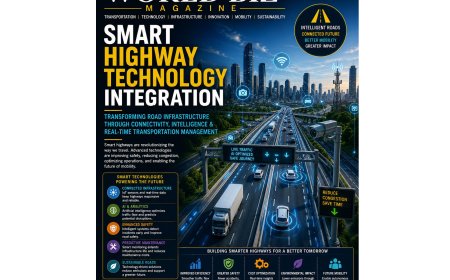
The next generation of highway expansion projects is increasingly incorporating digital technologies and intelligent transportation systems. Smart highways leverage sensors, artificial intelligence, data analytics, and communication networks to improve traffic management, safety, and operational efficiency.
Connected infrastructure can monitor traffic conditions in real time, optimize vehicle flow, provide predictive maintenance insights, and support emergency response operations. Digital technologies also enable dynamic traffic management systems capable of reducing congestion and improving travel reliability.
As autonomous and connected vehicle technologies continue to evolve, smart highway infrastructure is expected to become an essential component of future transportation ecosystems.
Improving Road Safety Through Modern Infrastructure
Road safety remains a major priority for transportation authorities worldwide. Highway expansion projects often include substantial safety improvements designed to reduce accidents, fatalities, and injuries.
Modern highway designs incorporate advanced safety features such as controlled-access roadways, intelligent traffic management systems, improved lighting, enhanced signage, median barriers, emergency response infrastructure, and dedicated lanes for different vehicle types.
The integration of technology-driven safety solutions enables transportation agencies to identify risk factors proactively and implement targeted interventions. These improvements contribute to safer travel experiences while reducing the economic and social costs associated with traffic accidents.
Sustainability and Environmental Considerations
While highway expansion supports economic growth, governments are increasingly balancing infrastructure development with environmental sustainability objectives. Modern transportation projects are incorporating environmentally responsible design principles aimed at minimizing ecological impact.
Sustainable highway initiatives may include wildlife crossings, green corridors, noise reduction systems, energy-efficient lighting, stormwater management infrastructure, and carbon reduction strategies. Many projects also support the adoption of electric vehicles through charging infrastructure deployment along major transportation routes.
Environmental assessments and sustainability planning are becoming integral components of highway development programs as governments seek to align infrastructure investments with broader climate and environmental goals.
Public-Private Partnerships Driving Infrastructure Investment
The scale and complexity of modern highway expansion projects often require significant financial resources. As a result, many governments are increasingly utilizing public-private partnerships (PPPs) to accelerate project delivery and attract private sector investment.
PPP models enable governments to leverage private capital, technical expertise, and operational capabilities while sharing project risks. These partnerships can improve project efficiency, enhance innovation, and reduce fiscal pressure on public budgets.
Infrastructure funds, institutional investors, development banks, and construction firms are playing increasingly important roles in financing and delivering large-scale transportation projects worldwide.
Emerging Technologies Shaping Future Highway Development
Technology is rapidly transforming how highways are planned, constructed, and managed. Advanced engineering software, digital twins, artificial intelligence, drone surveying, building information modeling (BIM), and predictive analytics are improving project design and execution.
Construction companies are increasingly utilizing automation, robotics, and advanced materials to improve efficiency and reduce project timelines. Smart infrastructure technologies enable continuous monitoring of road conditions, structural health, and traffic patterns.
These innovations are helping governments maximize infrastructure investments while enhancing long-term operational performance and asset management capabilities.
Global Highway Expansion Trends
Across Asia, Europe, North America, Africa, Latin America, and the Middle East, governments are launching ambitious highway expansion initiatives as part of broader infrastructure modernization strategies. These projects are designed to support economic diversification, facilitate trade, improve mobility, and strengthen national competitiveness.
Emerging economies are investing heavily in transportation corridors that connect industrial centers, ports, and export markets, while developed nations are upgrading aging infrastructure to accommodate future transportation demands.
The continued expansion of global trade, urbanization, and digital commerce is expected to sustain strong demand for highway infrastructure investment over the coming decades.
World Biz Magazine Insights
National highway expansion projects represent far more than transportation upgrades. They are strategic investments that influence economic productivity, regional development, trade competitiveness, and national resilience. As governments pursue infrastructure modernization agendas, highways will remain fundamental enablers of economic growth and social progress. The integration of smart technologies, sustainability principles, and innovative financing models is transforming how transportation infrastructure is planned, delivered, and managed in the twenty-first century.
Conclusion
National highway expansion projects are playing a critical role in shaping the future of transportation, economic development, and regional connectivity. By improving mobility, strengthening logistics networks, enhancing safety, and supporting sustainable growth, these investments deliver benefits that extend far beyond the transportation sector. As countries continue to modernize infrastructure and prepare for future mobility demands, highway expansion will remain a cornerstone of national development strategies and long-term economic prosperity.
Disclaimer
This article is published by World Biz Magazine for informational and educational purposes only. The content reflects general industry trends, infrastructure developments, and transportation perspectives. It does not constitute investment, engineering, legal, transportation, or policy advice. Readers should consult qualified professionals and conduct independent research before making decisions related to infrastructure investments, transportation projects, public-private partnerships, or government policy initiatives. World Biz Magazine assumes no responsibility for actions taken based on the information presented in this publication.
What's Your Reaction?
 Like
1
Like
1
 Dislike
0
Dislike
0
 Love
0
Love
0
 Funny
0
Funny
0
 Angry
0
Angry
0
 Sad
0
Sad
0
 Wow
1
Wow
1