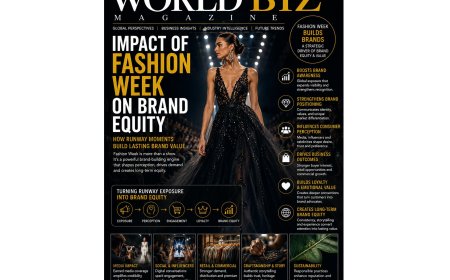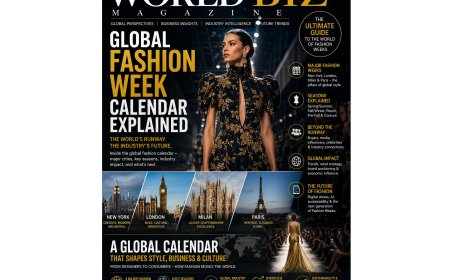













































































Global Fashion Week Calendar 2026–2027: Events, Industry Size & Future Trends
A comprehensive analysis of worldwide fashion week events, fashion industry economics, key players, and future growth opportunities covering 2026–2027.

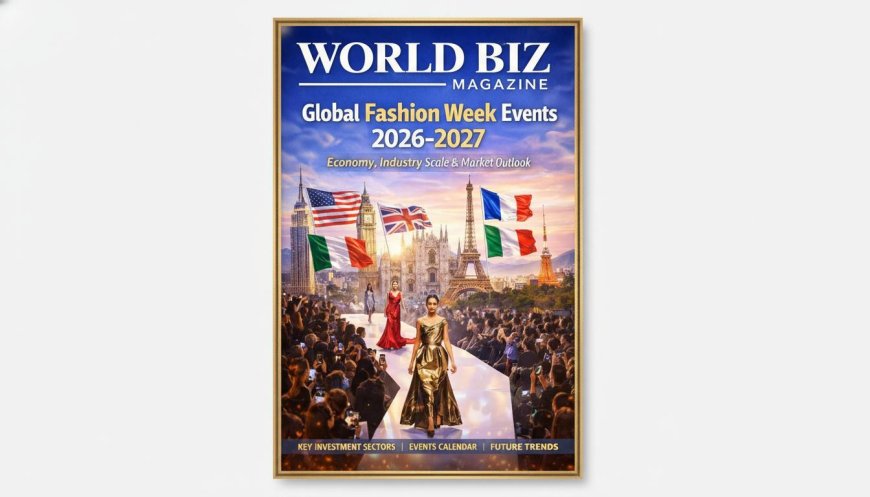
Global Fashion Week Events 2026-2027
Industry Scale, Market Growth, Key Players & the Future of Global Style
World Biz Magazine | Global Industry & Creative Economy
Global Fashion Week Events 2026–2027: The Pulse of the Fashion Industry
From New York to Paris, Milan to Tokyo, the global fashion circuit sets the rhythm of style, trends, and business opportunities for the world. As 2026 and 2027 unfold, Fashion Weeks will continue to influence millions of consumers, drive retail sales, and shape the strategies of top luxury and fast-fashion brands. This comprehensive guide highlights key events across major fashion capitals, provides insight into the economic impact of the runway, showcases leading designers and companies, and examines the future trajectory of the global fashion industry. From emerging markets to established luxury hubs, the season promises innovation, cultural exchange, and economic growth at every turn.
Global Fashion Industry Overview
Market Size & Economic Scale
The fashion and apparel ecosystem encompassing clothing, footwear, accessories, and retail is one of the largest global consumer industries.
- Global apparel market estimated at $1.86 trillion in 2026, projected to reach $2.48 trillion by 2034 (3.65% CAGR).
- Clothing and apparel market projected to grow from $1.73 trillion (2026) to $1.78 trillion (2027).
- Global garment sector valued at $1.69 trillion in 2026, forecast toward $2.81 trillion by 2035 (6% CAGR).
- Fast fashion segment alone expected to hit $276B by 2027, reflecting rapid online-driven demand cycles.
Additional structural indicators:
- Asia-Pacific accounts for roughly 41% of apparel market share, driven by population and e-commerce adoption.
- Sustainability considerations influence about 44% of consumer purchases.
- Online discovery shapes 61% of fashion buying journeys.
These figures underline why Fashion Week showcases where trends originate hold strategic economic relevance.
Major Global Fashion Week Events - 2026
Core Global Fashion Circuit (Men’s, Women’s, Couture)
· Jan 16–20, 2026 - Milan Fashion Week (Men’s Fall/Winter 2026–27)
· Jan 20–25, 2026 - Paris Fashion Week (Men’s Fall/Winter 2026–27)
· Jan 26–29, 2026 - Paris Haute Couture (Spring/Summer 2026)
· Jan 26–30, 2026 - Copenhagen Fashion Week (Fall/Winter 2026–27)
· Jan 30–Feb 2, 2026 - Berlin Fashion Week (Fall/Winter 2026–27)
· Feb 11–16, 2026 - New York Fashion Week (Fall/Winter 2026–27)
· Feb 19–23, 2026 - London Fashion Week (Fall/Winter 2026–27)
· Feb 24–Mar 2, 2026 - Milan Fashion Week (Women’s Fall/Winter 2026)
· Mar 2–10, 2026 — Paris Fashion Week (Fall/Winter 2026–27)
· Apr 7–9 / Apr 8–10, 2026 - New York Bridal Fashion Week
· Jun 23–28, 2026 - Paris Fashion Week (Men’s Spring/Summer 2027)
· Jul 6–9, 2026 - Paris Haute Couture (Fall/Winter 2026–27)
· Sep 11–16 / Sep 9-14, 2026 - New York Fashion Week (Spring/Summer 2027)
· Sep 17–21, 2026 - London Fashion Week (Spring/Summer 2027)
· Sep 22–28, 2026 - Milan Fashion Week (Spring/Summer 2027)
· Sep 28–Oct 6, 2026 - Paris Fashion Week (Spring/Summer 2027)
· Oct 13–15, 2026 - New York Bridal Fashion Week
These global calendar dates reflect the traditional circuit shaping industry trends and buyer decisions worldwide.
Major Global Fashion Week Events (Projected 2027 Cycle)
Although official calendars are finalized closer to each season, the global fashion circuit follows a consistent structure:
“Big Four” Fashion Capitals
Held twice annually (Spring/Summer and Autumn/Winter):
- New York Fashion Week (USA)
- London Fashion Week (UK)
- Milan Fashion Week (Italy)
- Paris Fashion Week (France)
These cities dominate global media influence, luxury retail engagement, and designer launches.
Major Regional Fashion Weeks
- Tokyo Fashion Week - Japan
- Seoul Fashion Week - South Korea
- Shanghai Fashion Week - China
- Dubai Fashion Week - UAE
- Copenhagen Fashion Week - Denmark
- Berlin Fashion Week - Germany
- São Paulo Fashion Week - Brazil
- Lagos Fashion Week - Nigeria
- Mumbai Fashion Week - India
- Miami Swim Week - USA
Industry discussion communities consistently highlight Milan, Paris, Tokyo, Cairo, Miami, and Dubai among expanding global runway circuits, showing geographic diversification beyond traditional capitals.
These events foster regional textile ecosystems and attract tourism revenue and investment exposure.
Major Industry Segments Connected to Fashion Weeks
Core Industry Verticals
- Apparel manufacturing
- Luxury goods & accessories
- Retail & e-commerce
- Textile production
- Advertising & media
- Modeling & talent agencies
- Fashion tech and AR/VR experiences
Retailing and digital fashion ecosystems are expanding rapidly, with sustainability initiatives and tech adoption driving over two-thirds of market growth in fashion retail.
Technology Integration
AI, data analytics, and metaverse-driven design tools are reshaping production and customer engagement, potentially transforming manufacturing and client experiences.
Key Players & Global Companies
Major multinational companies influencing runway trends and retail outcomes:
- Inditex
- Kering
- Fast Retailing
- Levi Strauss & Co.
- TJX Companies
These groups dominate global retail through innovation and expansion strategies.
Luxury brands shaping Fashion Week narratives include:
- Louis Vuitton
- Chanel
- Prada
- Gucci
- Dior
Top consuming markets:
- United States - leading apparel revenues globally
- Europe - strong branded consumption
- China & India - production and demand hubs
- Middle East - luxury growth markets
Influential Fashion Hubs & Industry Highlights
Beyond the “Big Four,” several cities strongly influence fashion innovation and sustainability:
· Copenhagen - widely regarded as a creative hub emphasizing accessible design and sustainability innovation
· Berlin - platform for experimental and emerging designers
· Seoul, Shanghai, Tokyo, São Paulo - expanding global influence in production and trend-setting
These cities help shape how fashion is produced, marketed, and consumed globally.
Countries Leading Fashion Influence
- France - luxury and couture heritage
- Italy - craftsmanship and luxury tailoring
- UK - experimental and creative design
- USA - commercialization and retail scale
- Japan & South Korea - innovation and streetwear
- China - manufacturing and consumer expansion
Urbanization accounts for nearly 58% of apparel consumption, reinforcing the importance of city-center fashion events.
Growth Drivers Shaping Fashion Week 2027
Sustainability Transition
- Eco-materials adoption rising
- Recycling textiles increasing
- Consumer environmental expectations growing
Digital Transformation
- AR fitting rooms
- AI trend prediction
- Virtual fashion shows
Consumer Behavior Shifts
- Casualwear dominance
- Athleisure expansion
- Youth-driven trend cycles
E-Commerce Integration
Online apparel shopping surges and influencer-driven purchasing patterns accelerate fast fashion demand.
News & Industry Context (2026 Season)
· New York Fashion Week runs Feb 11-16 with 60 brands participating amid efforts to revitalize sponsorship and logistics.
· Milan Fashion Week (Feb 24–Mar 2) features 50+ runway shows and major luxury houses including Prada and Dolce & Gabbana.
· Copenhagen Fashion Week marked its 20th anniversary season showcasing Scandinavian designers and global industry attention.
Future Outlook
Fashion Weeks in 2027 will likely see:
- Hybrid physical-digital runway formats
- AI-generated design previews
- Metaverse-based audience participation
- Greater inclusion of emerging markets
- Sustainability mandates from regulators
The global fashion economy’s continued expansion across trillion-dollar apparel and garment markets ensures Fashion Weeks remain central industry catalysts rather than purely cultural events.
Conclusion
Global Fashion Week events remain essential engines for trend diffusion, branding, and economic activity. As the apparel market moves toward multi-trillion-dollar valuations, these showcases influence manufacturing demand, retail cycles, and investor sentiment worldwide.
By 2027, their significance will extend beyond design presentation into technology demonstration, sustainability compliance, and global commerce networking reinforcing Fashion Weeks as strategic economic platforms shaping the future of consumer markets.
Disclaimer
This article is prepared for informational and publishing purposes for World Biz Magazine. Industry size, forecasts, and projections are based on publicly available market research and analytical estimates. Event listings beyond confirmed calendars are indicative projections derived from established global fashion scheduling patterns. This content does not constitute investment, financial, or business advice.
What's Your Reaction?
 Like
0
Like
0
 Dislike
0
Dislike
0
 Love
0
Love
0
 Funny
0
Funny
0
 Angry
0
Angry
0
 Sad
0
Sad
0
 Wow
0
Wow
0