






































































Asia's Digital Tiger: Malaysia’s High-Income Leap (2025-2030)
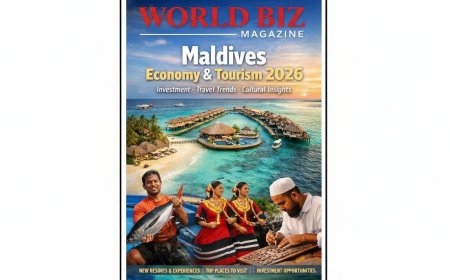
Anchored by the Thirteenth Malaysia Plan (2026-2030) and the Ekonomi MADANI framework, Malaysia is strategically positioning itself for high-income nation status by 2030. This detailed analysis examines the dual engine of growth: the ambitious Visit Malaysia Year 2026 tourism push and the multi-billion dollar shift towards high-value manufacturing, renewable energy, and digital complexity.

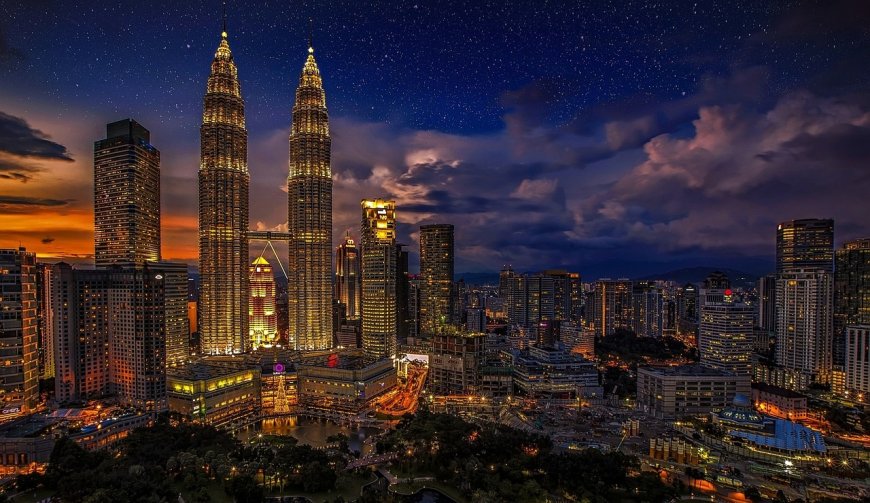
From Emerging to High-Income: Analyzing the Success of Malaysia’s NIMP 2030 and Ekonomi MADANI Framework
A World Biz Magazine Exclusive: Economy and Tourism Outlook
Publication Date: December 14, 2025
In the competitive landscape of Southeast Asia, Malaysia is orchestrating a decisive economic transformation. Far from relying on cyclical trade winds, the nation is executing the Ekonomi MADANI framework, underpinned by two comprehensive blueprints: the New Industrial Master Plan (NIMP) 2030 and the National Energy Transition Roadmap (NETR).
These policies are not merely aspirational; they are concrete, investment-backed strategies designed to accelerate growth, achieve high-income nation status between 2028 and 2030, and cement Malaysia’s position as a regional leader in both high-value industry and sustainable, high-impact tourism.
Macroeconomic Outlook (2025–2030): The High-Income Drive
Malaysia’s economy is forecasted to accelerate, positioning it as one of ASEAN’s most robust performers.
Key Economic Targets & Facts (2025–2030)
|
Metric |
2025 Forecast |
2026-2030 Target (Thirteenth Malaysia Plan) |
|
GDP Growth |
4.8% (Government/Consensus) |
4.5% – 5.5% Average Annual Growth |
|
High-Income Status |
N/A |
Projected Attainment: 2028–2030 |
|
Manufacturing Value Add (NIMP) |
N/A |
Increase to RM587.5 Billion by 2030 (6.5% CAGR) |
|
Tourism Receipts (VMY 2026) |
Expected to exceed 2024’s RM102.2 Billion |
RM329 Billion Targeted for Visit Malaysia Year 2026 |
|
Annual Private Investment |
Strong momentum from NIMP/NETR FDI |
6.0% Average Annual Growth |
|
Green & Energy Investment |
N/A |
RM1.85 Trillion total investment needed for NETR targets by 2050 |
The core of Malaysia’s economic restructuring is a dual commitment to industrial complexity and sustainability.
· New Industrial Master Plan (NIMP) 2030: This plan aims to revitalize manufacturing with an estimated RM95 billion in required investment. The focus is on advancing economic complexity by driving high-value sectors like Electrical & Electronics (E&E) (particularly IC design and wafer fabrication), Aerospace, Specialty Chemicals, and Electric Vehicles (EV). The target is to transform 3,000 factories into Smart Factories by 2030, moving away from low-skilled reliance.
· National Energy Transition Roadmap (NETR): This roadmap is critical to achieving net-zero emissions by 2050. Key 2030 targets include reducing GHG intensity by 45% and increasing Renewable Energy (RE) capacity. It is already catalyzing investments in solar farms, hydrogen hubs, and Carbon Capture, Utilisation, and Storage (CCUS) clusters, creating a "Green Economic Corridor" for high-impact sustainable growth.
Tourism is viewed as a high-growth services export, crucial for both job creation and GNI growth. The Visit Malaysia Year 2026 (VMY 2026) campaign, themed "Surreal Experiences," is the primary catalyst for the 2025-2026 period.
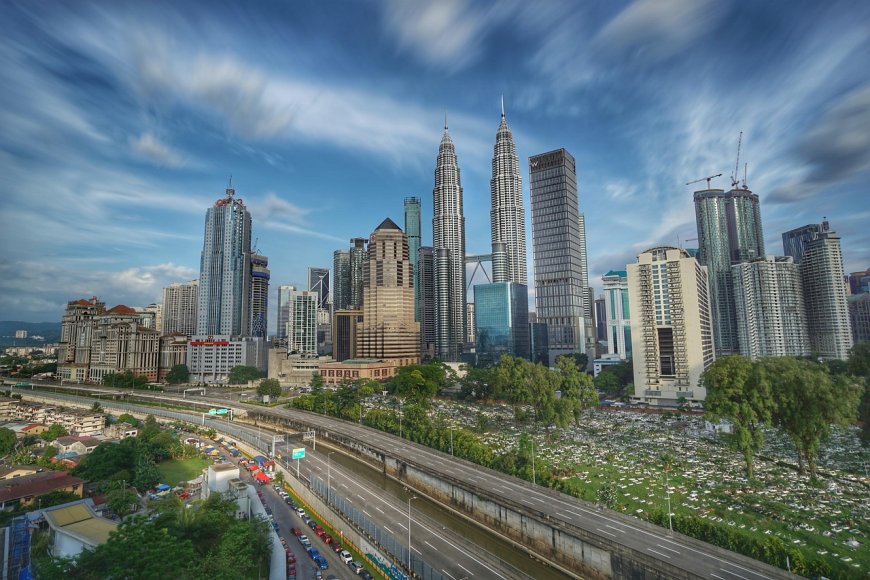
Ambitious Targets and Initiatives
· Visitor Goal: The campaign sets an ambitious target of 47 million to 50 million international visitors for VMY 2026, aimed at positioning Malaysia as a premier regional destination.
· High-Value Segments: The strategy focuses on attracting higher-spending visitors through specialized markets:
o Medical Tourism (MYMT 2026): Malaysia, already a regional leader in medical tourism (second only to Thailand in ASEAN), is heavily promoting its world-class, affordable healthcare, backed by the Malaysia Healthcare Travel Council (MHTC).
o Eco- and Sustainable Tourism: Significant emphasis is placed on promoting high-yield nature experiences in Sabah and Sarawak, coupled with stricter adherence to UN Sustainable Development Goals (SDGs) to combat overtourism in key heritage sites like Melaka and Penang.
o Muslim-Friendly Tourism: Malaysia continues to leverage its global reputation as a leading destination for Halal and faith-based travel, enhancing its position as a cultural and culinary hub.
The Investment in Experience
The government has allocated a record-breaking RM550 million for VMY 2026 promotions and infrastructure upgrades. A key facilitator has been the extension of visa-free access for Chinese and Indian tourists until the end of 2026, which is driving a major resurgence in high-volume, high-spending markets. Investment is also flowing into improving the "last-mile" experience, including public transport connectivity and digital payment adoption.
Technology, FDI, and the Digital Economy
The Malaysian economy is benefiting from a global realignment of tech supply chains. Its entrenched position in the Electrical & Electronics (E&E) sector, particularly in Penang and Kulim, is being leveraged to attract next-generation digital FDI.
The Semiconductor and AI Boom
· FDI Magnet: Global tech giants like Google, Microsoft, and ByteDance have committed multi-billion dollar investments (each exceeding $2 billion) into Malaysia's data center and cloud infrastructure, capitalizing on affordable land, green energy potential (under NETR), and the skilled E&E talent pool.
· National Semiconductor Strategy (NSS): As a component of the NIMP 2030, the NSS is designed to propel Malaysia up the value chain, focusing on Integrated Circuit (IC) design and advanced manufacturing rather than just assembly, securing its spot in the global supply chain as firms seek to diversify away from China.
· Generative AI Hub: The NIMP 2030 specifically targets the development of a Generative AI ecosystem, aiming to utilize AI across industries from manufacturing (smart factories) to pharmaceuticals, ensuring Malaysia leads the ASEAN region in digital complexity.
Economy News: The Ringgit and Trade
While the Ringgit (MYR) has faced currency pressures against the US Dollar (USD), the macroeconomic stability, strong FDI inflows, and favorable trade balance are expected to provide a floor. Strong export receipts, particularly in E&E, and a manageable inflation rate (forecast 2%–3% for 2025) provide confidence. The fiscal deficit is targeted to drop below 3% of GDP by 2030, a testament to prudent fiscal management under the current framework.
World Biz Magazine Travel and Tourism Tip Section
1. Invest in the Eco-Infrastructure: Look beyond traditional hotels. Investment in certified sustainable resorts and infrastructure projects in Sabah and Sarawak (aligned with the 13MP's RM493 million regional development allocation) is expected to yield high returns as high-value eco-tourism dominates.
2. VMY 2026 Timing: Plan your travel during VMY 2026 (all of 2026) to experience the surge of cultural events, festivals, and national marketing campaigns. Book air travel early, as increased visitor traffic is expected to strain peak-season capacity.
3. The New City Hubs: Pay attention to evolving urban centers. Beyond Kuala Lumpur, the transformation of areas in Penang (tech hub) and Johor Bahru (regional connectivity), driven by their respective industrial missions, will offer new luxury and MICE (Meetings, Incentives, Conventions, and Exhibitions) opportunities.
4. Embrace the Green Shift: Companies should align with the NETR and the NIMP's "Push for Net Zero" mission. Investing in green manufacturing, sustainable packaging, and energy efficiency solutions is now a requirement for accessing government incentives and long-term supply chain contracts.
Disclaimer and Authenticity Check (World Biz Magazine)
The content presented in this article is based on information publicly released by the Malaysian Ministry of Economy (Thirteenth Malaysia Plan, 2026-2030), the Ministry of Investment, Trade and Industry (NIMP 2030), Tourism Malaysia (VMY 2026), Bank Negara Malaysia, and confirmed FDI announcements up to the date of publication (December 14, 2025). Future projects, including specific investment flows, currency movements, and GDP projections, are subject to global economic conditions, policy implementation pace, and external market shocks. This article is intended for informational and professional reading purposes for “World Biz Magazine”.
Authenticity Note
The article's core narrative is grounded in the official, published strategic documents of the Malaysian government: the Ekonomi MADANI framework, the Thirteenth Malaysia Plan (2026-2030), the New Industrial Master Plan (NIMP) 2030, and the National Energy Transition Roadmap (NETR). Macroeconomic targets, including the 4.5%–5.5% GDP growth range and the 2030 high-income goal, are based on official government and consensus forecasts. The VMY 2026 targets, sectoral investment focus (E&E, AI, Medical Tourism), and key structural reforms are confirmed elements of the nation’s strategic planning as of December 2025.
What's Your Reaction?
 Like
0
Like
0
 Dislike
0
Dislike
0
 Love
0
Love
0
 Funny
0
Funny
0
 Angry
0
Angry
0
 Sad
0
Sad
0
 Wow
0
Wow
0