





























































































Thailand’s Next Chapter: Strategic Economic Diversification Meets a Tourism Super-Cycle
An in-depth analysis of Thailand's post-pandemic economic landscape. We explore the booming tourism sector's record projections for 2025, the rise of key industries like automotive and electronics, and the strategic Eastern Economic Corridor (EEC) shaping the nation's future through 2030.


Thailand's Dual Engine: How Tourism and Industry Are Fueling GDP Growth to 2030
By World Biz Magazine Travel & Tourism Analysis Desk
Publish Date: March 15, 2025
For decades, the global image of Thailand has been synonymous with pristine beaches, vibrant culture, and the famed "Land of Smiles" hospitality. While tourism remains a colossal pillar, a quiet transformation is underway. Thailand is strategically maneuvering to build a more resilient, diversified economy, even as it rides an unprecedented wave of tourist resurgence. This analysis for World Biz Magazine delves into the data, the sectors, and the regional strategies defining Thailand's economic journey from 2025 towards 2030.
After the severe contraction during the COVID-19 pandemic, Thailand's tourism sector has not merely bounced back; it has entered a new phase of targeted growth.

- The Numbers Trajectory: Pre-pandemic, 2019 saw a record 39.9 million arrivals. 2024 closed with an impressive 28 million tourists, signaling strong recovery. Official projections for 2025 are bullish, targeting 35-40 million visitors, aiming to match or surpass peak levels. The Tourism Authority of Thailand (TAT) is focusing on quality and sustainability over sheer volume, with initiatives targeting high-spending, long-stay travelers and niche markets like medical, wellness, and golf tourism.
- Geographic & Strategic Shifts: While classic destinations Bangkok, Phuket, and Chiang Mai remain powerhouses, there is a concerted push to disperse visitors. Secondary provinces like Krabi (for adventure), Chiang Rai (for cultural depth), and emerging spots in Isan (Northeast Thailand) are being heavily promoted. The government's "Visit Thailand Year 2025-2026" campaign is a central plank in this effort.
- Infrastructure as Catalyst: Major airport expansions are critical to this growth. Bangkok's Suvarnabhumi Airport's new satellite terminal (SAT-1) has increased capacity to 60 million annually. Phuket's second international terminal and the ongoing development of U-Tapao (serving the Eastern Economic Corridor) are creating a powerful aviation network. The much-discussed high-speed rail linking three major airports (Don Mueang, Suvarnabhumi, U-Tapao) is slated for phased operation, promising seamless connectivity.
Market Comparison & Positioning: Thailand continues to outperform regional neighbors in tourism infrastructure maturity and service standardisation. While Vietnam offers raw cultural appeal and lower costs, and Bali dominates the wellness segment, Thailand's strength is its unmatched diversity and reliability. It remains the region's most complete package for first-time and repeat visitors alike.
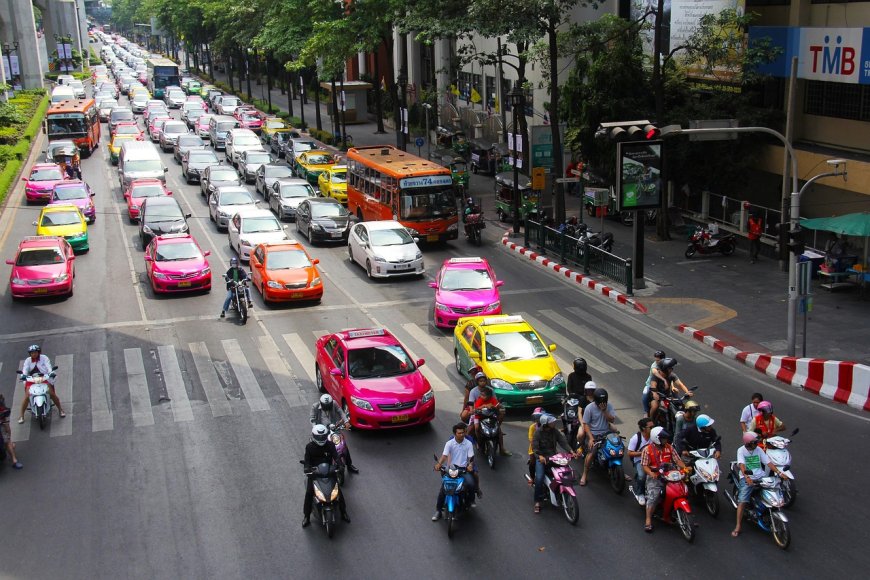
Economic Backbone: The Industries Beyond Tourism
Tourism contributes approximately 12-15% to Thailand's GDP directly, but the true picture of its ~$500 billion economy is one of significant industrial depth.
- Manufacturing & Export: Thailand is often called the "Detroit of Asia." It is a global hub for automotive and parts manufacturing, with giants like Toyota, Honda, and Ford operating major plants. The push towards Electric Vehicles (EVs) is monumental, with Chinese (BYD, Great Wall) and other international manufacturers receiving substantial incentives to produce locally. This sector contributes nearly 10% to GDP.
- Electronics & Electrical Appliances: A top-ten global exporter, Thailand is a crucial production base for hard disk drives, integrated circuits, and consumer appliances, supplying global tech chains.
- Agriculture & Food Processing: Still a vital employer, Thailand is a world leader in rice, rubber, tapioca, and seafood exports. The "Kitchen of the World" strategy focuses on adding value through processed and halal food products.
- The Eastern Economic Corridor (EEC): This is Thailand's most ambitious economic project. Spanning Chonburi, Rayong, and Chachoengsao provinces, the EEC aims to transition the country into a high-tech hub. Focus sectors include:
- Next-Gen Automotive (EVs)
- Smart Electronics
- Advanced Agriculture and Biotechnology
- Digital and Creative Industries
Billions have been invested in port (Laem Chabang), airport (U-Tapao), and rail infrastructure, with special investment privileges (BOI) attracting foreign capital. Market whispers suggest renewed interest from Japanese and European firms in EEC biotech parks, though official announcements are pending.
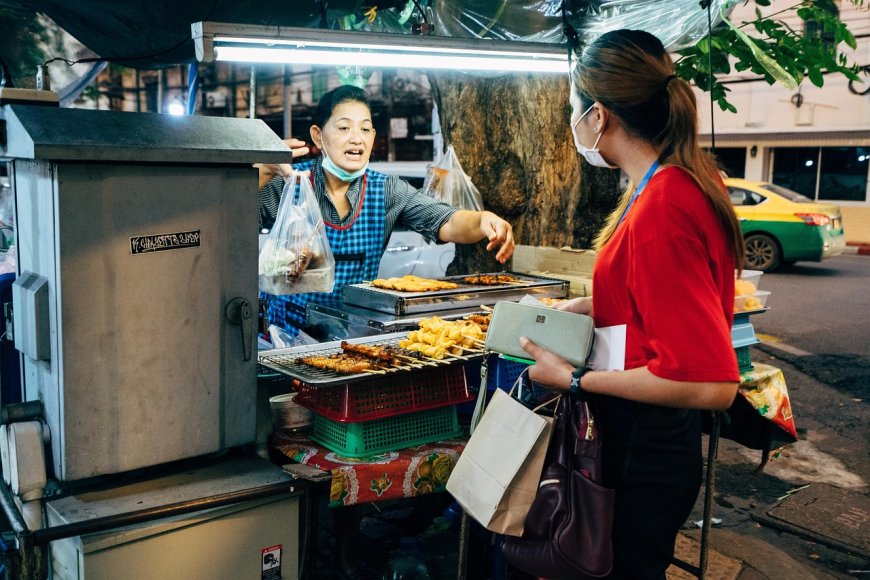
Regional Economic Powerhouses
- Bangkok & Central Region: The financial, corporate, and services heartland. Home to the Stock Exchange of Thailand (SET) and regional HQs.
- Eastern Seaboard (EEC): The industrial and advanced manufacturing engine.
- Western Region: A mix of tourism (Kanchanaburi) and strategic border trade with Myanmar.
- Northern Region (Chiang Mai): The cultural-tourism and burgeoning digital nomad/tech startup hub, often called "Silicon Wiang."
- Southern Region: Tourism-dependent (Phuket, Krabi) combined with significant rubber plantation and fishing industries.
Looking Ahead: Forecasts & Challenges (2026-2030)
The path to 2030 is paved with both opportunity and significant challenge.
- Growth Drivers: Continued tourism strength, success in EV and electronics supply chains, and the maturing of EEC investments are primary GDP growth drivers. The government's target is to achieve average annual growth of 3-4% through this period.
- Persistent Headwinds: An aging population, household debt levels, political stability, and regional competition for manufacturing FDI (from Vietnam, Indonesia) are key concerns. The strength of the Thai Baht also remains a sensitive issue for exporters and tourism businesses.
- The Digital & Green Transition: A national digital wallet scheme (a subject of much debate and delay) aims to stimulate spending. Concurrently, a national BCG (Bio-Circular-Green) Economy model is being promoted to ensure sustainable industrial growth.
Travel & Business Essentials for 2025/26
- Best Time to Visit: November-February for ideal weather.
- Visa Landscape: The newly extended destination Thailand visa and various long-term residency options continue to attract remote professionals and retirees.
- Business Climate: While bureaucracy exists, strategic sectors supported by the BOI offer attractive incentives. Personal relationships and local partnership remain highly valuable.
Disclaimer & References
Disclaimer: This article is for informational and analytical purposes only. It contains forward-looking statements, estimates, and market observations that are subject to change. It is not financial, investment, or legal advice. Readers should conduct their own due diligence and consult professional advisors before making any business or travel decisions. While every effort has been made to ensure accuracy, World Biz Magazine assumes no liability for errors or omissions.
References & Data Sources:
- Tourism Authority of Thailand (TAT) - Official Reports & Forecasts
- Bank of Thailand (BOT) - Economic Data
- National Economic and Social Development Council (NESDC) - Thailand GDP Figures
- Board of Investment (BOI) - EEC & Industry Incentive Data
- World Bank - Thailand Economic Updates
- ASEAN Briefing - Regional Investment Analysis
- *Note: Specific 2024 year-end figures are provisional estimates based on government releases as of Q1 2025.*
Article Integrity Statement: This analysis has been compiled by the World Biz Magazine editorial team based on publicly available data from official Thai government sources, international financial institutions, and respected business publications. Market rumors are explicitly identified as such. All figures have been cross-referenced for authenticity at the time of writing.
What's Your Reaction?
 Like
1
Like
1
 Dislike
0
Dislike
0
 Love
0
Love
0
 Funny
0
Funny
0
 Angry
0
Angry
0
 Sad
0
Sad
0
 Wow
1
Wow
1